Collection: Painting
Japanese painters have long expressed their visions across a wide range of formats, each with its own function, materiality, and cultural significance.
Screens (Byōbu/Fusuma): Folding screens and sliding door panels were used to divide interiors and create atmospheric spaces. Their broad surfaces allowed for sweeping landscapes, seasonal motifs, and bold decorative compositions that shaped the mood of a room.
Hanging Scrolls: Designed for easy rotation with the seasons or occasions, hanging scrolls present paintings or calligraphy as self-contained vertical compositions. Their mounting fabrics complement the artwork while protecting it.
Handscrolls, Painted Books and Albums: Bound or accordion albums and hand scrolls allowed artists to create suites of images—illustrated tales, painting manuals, and themed collections—often blending text and image into unified objects of study or enjoyment. Unlike hanging scrolls, they are more intimate, inviting the viewer to journey into the private world within. Long, horizontal scrolls unrolled section by section or albums turned by hand, one page at a time, invite intimate, narrative viewing combining painting, calligraphy, and storytelling in a rhythmic progression experienced with both hands and eyes.
Prints (Woodblock and Beyond): Commercially produced woodblock prints transformed Japanese visual culture, making images accessible to a wide audience. Subjects ranged from kabuki actors and courtesans to landscapes, birds-and-flowers, and illustrated books.
Framed Art: Though historically less common than scrolls, framed works became more prevalent from the late Edo and Meiji periods, especially under Western influence. They include paintings on paper, silk, and occasionally on panel as well as traditional Western oil.
Oil Painting and Water Color: Oil painting entered Japan in the late sixteenth century with European missionaries, but it remained rare until the Meiji period (1868–1912), when Western-style art education was formally introduced. By the late nineteenth century, yōga became a major artistic field, taught at the Tokyo Fine Arts School and embraced by artists such as Kuroda Seiki, who helped reshape Japanese modern painting through plein-air realism and Impressionist influence. Oil painting thereafter existed alongside traditional nihonga, forming the dual foundations of modern Japanese art.
Paintings on Unusual materials: Japanese artists have also worked on wood, glass, lanterns and ceramic vessels, adapting their techniques to the character of each material. Examples include reverse-painted glass pictures, fan paintings, Ita-do Wood Doors and decorative temple plaques (ema) as well as many forms of pottery.
Together, these diverse formats reflect the adaptability of Japanese painting traditions—shaped by architecture, ritual, storytelling, commerce, and daily life—offering multiple ways to experience art intimately, ceremonially, or decoratively.

-
Seasonal Blessings, Antique Makimono Hand-scroll by Various Artists
Regular price ¥86,900 JPYRegular price -
Scroll Pair, Monkeys Grasping for the Moon ー本多 天城 “猿猴圖”
Vendor:Honda TenjoRegular price ¥173,800 JPYRegular price -
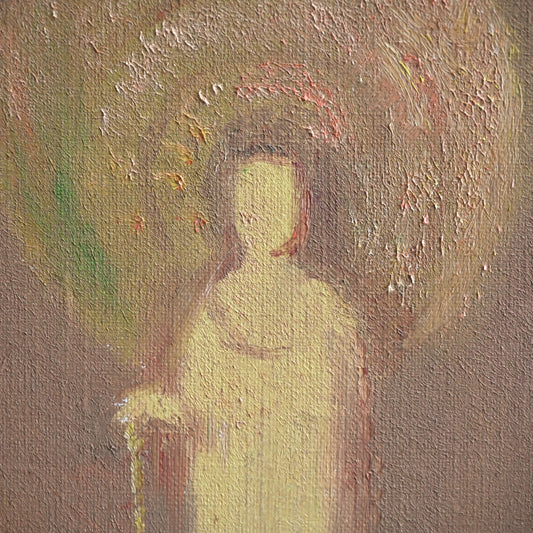
Korean Artist Oil Painting, Kannon/Guanyin, Goddess of Mercy ー全 和凰
Vendor:Zen WakoRegular price ¥135,900 JPYRegular price -
Mixed Media, 1986 ー井田 照一 “Two Elements in Corner of Garden-Love”
Vendor:Ida ShoichiSold out -
Makimono Handscroll by the Great Chokunyu ー田能村直入
Vendor:Tanomura ChokunyuSold out -
Mounted Hanging Scroll, Chestnut ー野村 耕 “栗”
Vendor:Nomura KoSold out -
Untitled Monotype, 77 ー野村 耕
Vendor:Nomura KoRegular price ¥189,600 JPYRegular price -

 Sold out
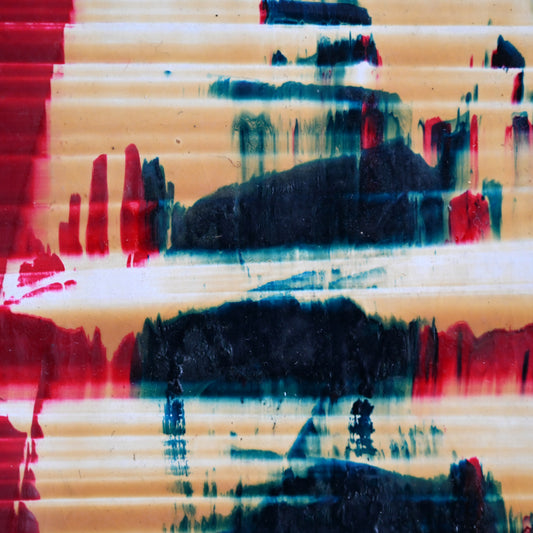
Untitled Monotype, 59 ー野村 耕
Vendor:Nomura KoSold out -

 Sold out
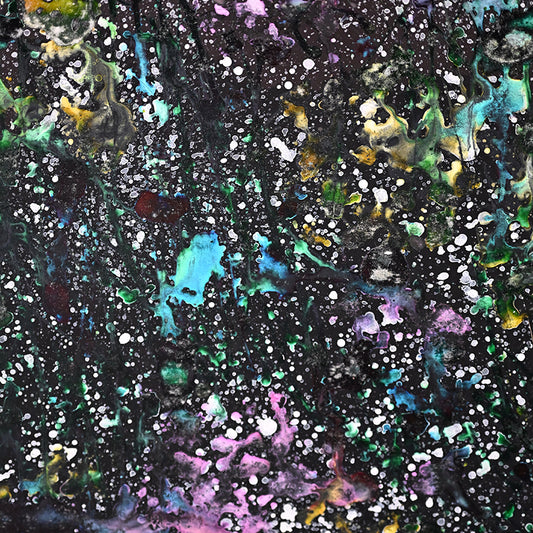
Untitled Monotype, 73 ー野村 耕
Vendor:Nomura KoSold out -

 Sold out
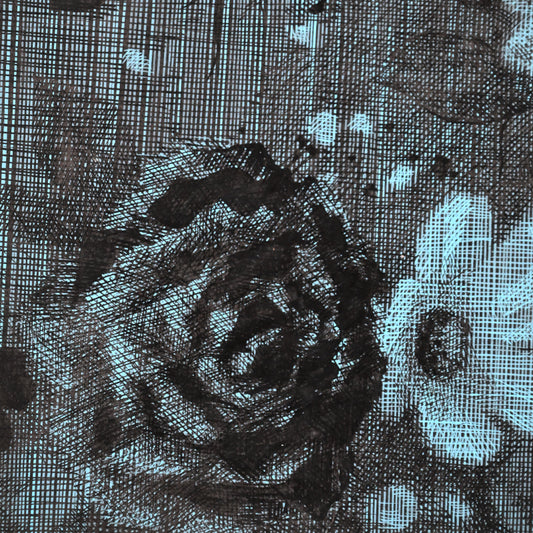
Untitled Monotype, 72 ー野村 耕
Vendor:Nomura KoSold out -
Untitled Monotype, 71 ー野村 耕
Vendor:Nomura KoRegular price ¥189,600 JPYRegular price -
Untitled Monotype, 69 ー野村 耕
Vendor:Nomura KoRegular price ¥205,400 JPYRegular price -
Mid-century Mixed Media Panel ー野村 耕
Vendor:Nomura KoRegular price ¥94,800 JPYRegular price -
Untitled Monotype, 80 ー野村 耕
Vendor:Nomura KoRegular price ¥189,600 JPYRegular price -
Untitled Monotype, 61 ー野村 耕
Vendor:Nomura KoRegular price ¥237,000 JPYRegular price -
Untitled Monotype, 68 ー野村 耕
Vendor:Nomura KoRegular price ¥237,000 JPYRegular price -
Untitled Monotype, 67 ー野村 耕
Vendor:Nomura KoRegular price ¥237,000 JPYRegular price -
Untitled Monotype, 66 ー野村 耕
Vendor:Nomura KoRegular price ¥237,000 JPYRegular price -
Untitled Monotype, 65 ー野村 耕
Vendor:Nomura KoRegular price ¥237,000 JPYRegular price -

 Sold out
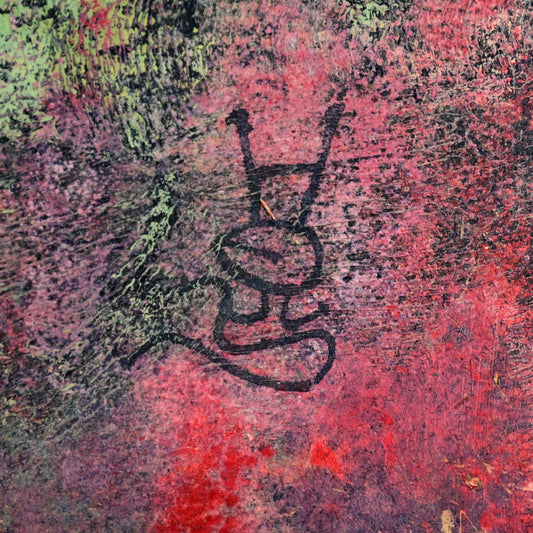
Early Mixed Media Work ー下村 良之介
Vendor:Shimomura RyonosukeSold out -
Untitled Monotype, 89 ー野村 耕
Vendor:Nomura KoRegular price ¥237,000 JPYRegular price -
Untitled Mid-century Ink Work, 87 ー野村 耕
Vendor:Nomura KoRegular price ¥237,000 JPYRegular price -
Antique Japanese Nihonga Gacho Painting Album, 1934
Regular price ¥110,600 JPYRegular price -

 Sold out
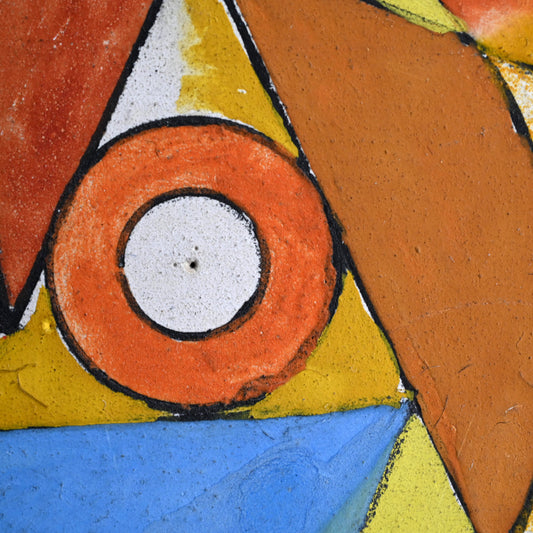
Mikami Makoto, Untitled ー三上 誠
Vendor:Mikami MakotoSold out -
Untitled Monotype, 75 ー野村 耕
Vendor:Nomura KoRegular price ¥237,000 JPYRegular price -
Untitled Monotype, 81 ー野村 耕
Vendor:Nomura KoRegular price ¥237,000 JPYRegular price -
Untitled Monotype Print 62 ー野村 耕
Vendor:Nomura KoRegular price ¥237,000 JPYRegular price -

 Sold out
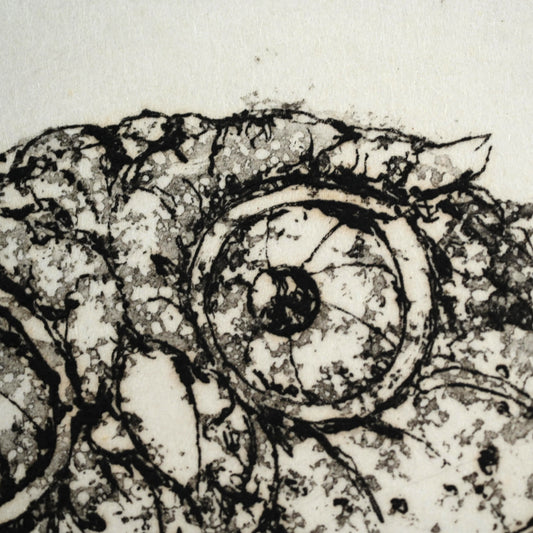
Print, SANBIKI, 16/50 ー下村 良之介 “三匹”
Vendor:Shimomura RyonosukeSold out -
Untitled Monotype 64 ー野村 耕
Vendor:Nomura KoRegular price ¥237,000 JPYRegular price -
Untitled Monotype, 86 ー野村 耕
Vendor:Nomura KoRegular price ¥237,000 JPYRegular price -
Untitled Monotype, 60 ー野村 耕
Vendor:Nomura KoRegular price ¥237,000 JPYRegular price -
Untitled Monotype 57 ー野村 耕
Vendor:Nomura KoRegular price ¥237,000 JPYRegular price -
Pair of Ink Paintings ー福田 古道人
Vendor:Fukuda KodojinRegular price ¥442,400 JPYRegular price -

 Sold out
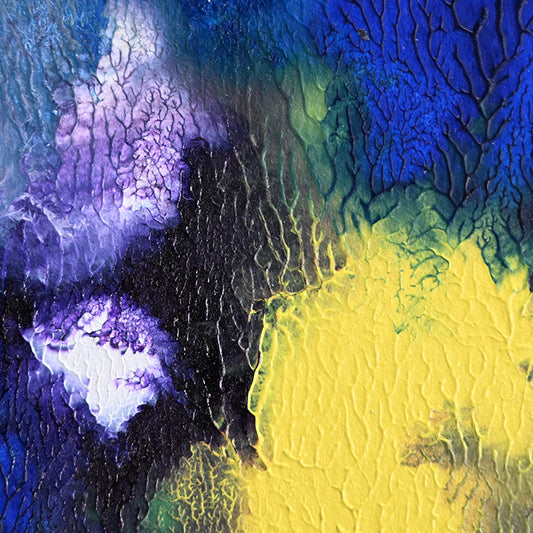
Untitled Monotype, 90 ー野村 耕
Vendor:Nomura KoSold out -

 Sold out
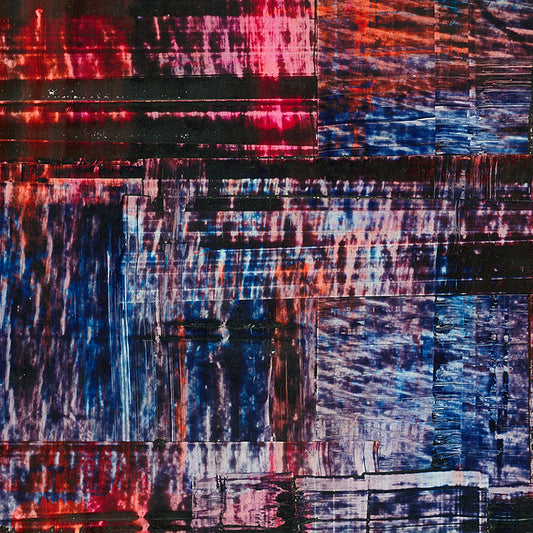
Untitled Monotype, 58 ー野村 耕
Vendor:Nomura KoSold out