Collection: Mingei
Mingei, literally “people’s craft,” refers to the utilitarian objects made by anonymous craftspeople for everyday use. These works—ceramics, textiles, lacquer, woodwork, baskets, metal objects, and more—were traditionally produced in local workshops or by village artisans using regional materials and inherited techniques. The idea embraces the quiet, unselfconscious beauty found in the handmade objects of daily life. Their forms reflect utility, simplicity, and an integrity born of honest work.
In the early twentieth century, thinkers and makers such as Yanagi Sōetsu, Hamada Shōji, and Kawai Kanjirō championed these qualities as the foundation of the Mingei Movement. Its precepts could be said to encompass an anti-industrail stance celebrating natural materials, regional traditions, handmade integrity, and Beauty in anonymity. They celebrated the handmade as a vital cultural expression amid growing industrialization, advocating for the preservation of craft traditions and the recognition of beauty in modest, everyday things.
Alongside consciously crafted folk objects and the formal Mingei movement, the term mingei is often invoked more broadly to describe objects of everyday life that have acquired beauty through long use, weathering, or repeated repair. Found and use-worn objects such as weathered wood, patched cloth, recycled or repurposed iron, and stones or plinths shaped by generations of touch are not “artworks” in the intentional sense but are valued for the quiet dignity revealed by time and necessity. These humble remnants carry the imprint of time, labor, and resourcefulness. Their surfaces reveal a different kind of craftsmanship: the poetry of wear, repair, and continuous use. Collectors, artists, and museums increasingly recognize them as authentic material witnesses to everyday life, valued for the same sincerity, imperfection, and regional character that define mingei as both a craft tradition and an aesthetic philosophy.
Together, these expressions of mingei invite us to see beauty not in luxury or authorship, but in the dignity of materials, the rhythm of daily life, and the enduring human impulse to make, mend, and preserve.

-
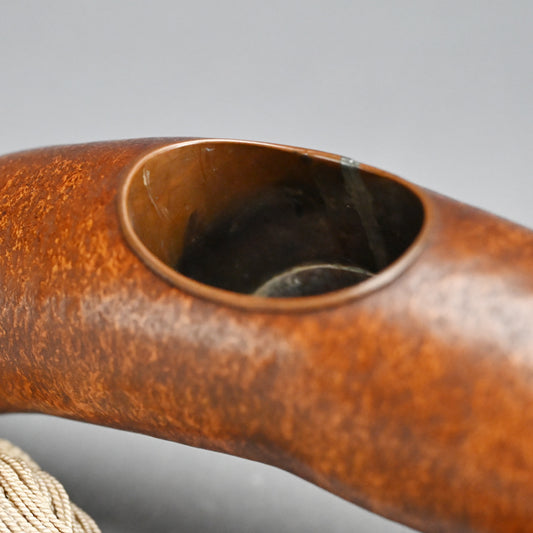
Large Eccentric Hanging Gourd vase
Regular price ¥252,800 JPYRegular price -
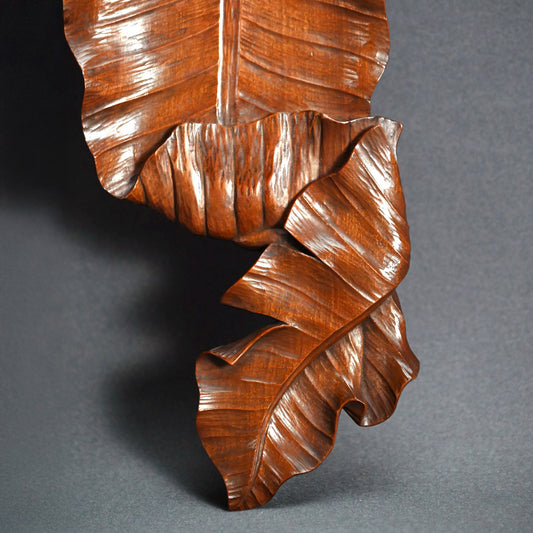
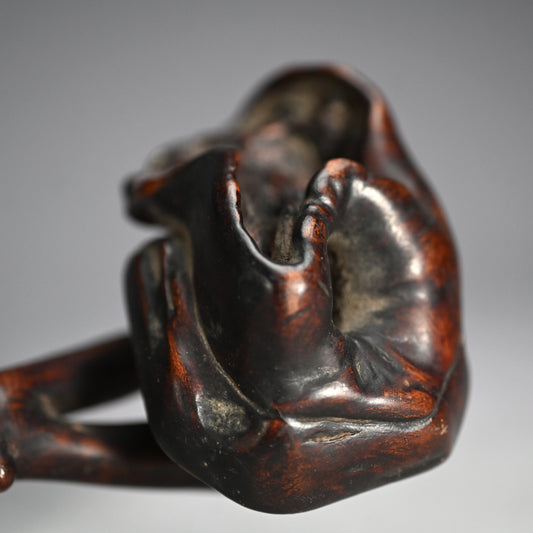
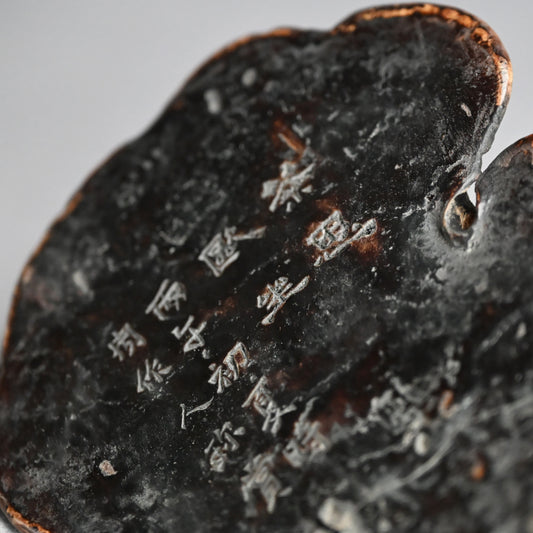
Leaf Shaped Wood Habon Tanzaku-kake ー高橋 景石 “蕉葉式 短冊掛”
Vendor:Takahashi KeisekiRegular price ¥395,000 JPYRegular price -
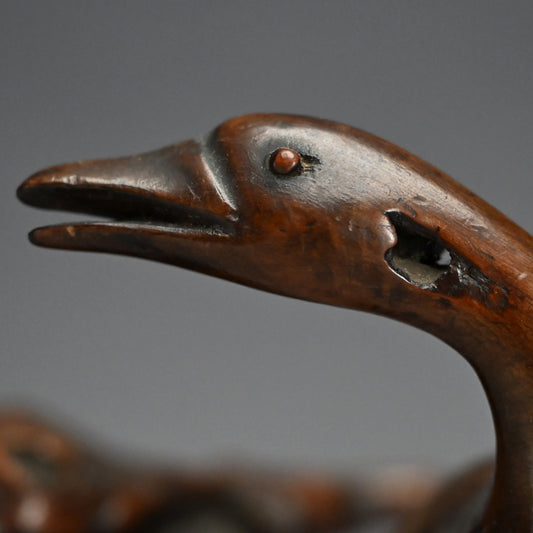
Antique Pair Scholar Art Root-Wood Geese
Regular price ¥134,300 JPYRegular price -
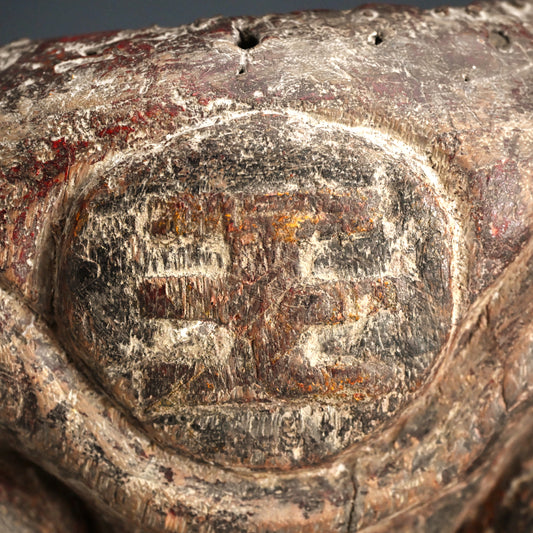
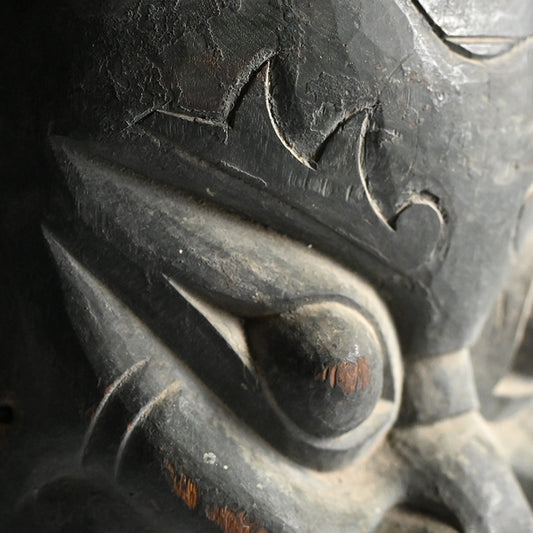
Ancient Carved Wood Mask of Enma, the King of Hell
Regular price ¥442,400 JPYRegular price -
Cobalt Maccha Chawan Tea Bowl ー河井 寛次郎作 “呉州平茶碗”
Vendor:Kawai KanjiroRegular price ¥616,200 JPYRegular price -
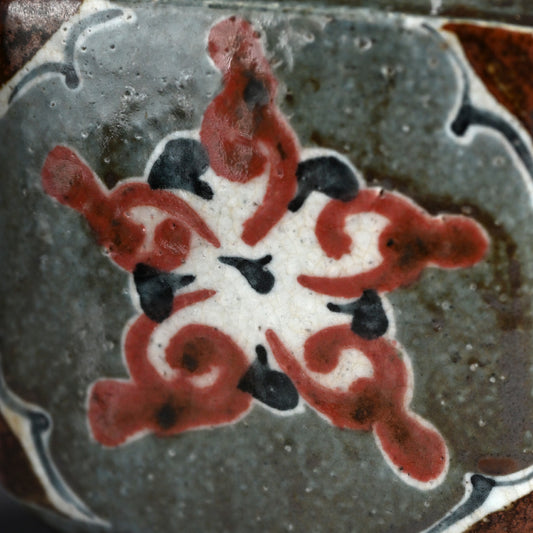
Cobalt and Iron Glazed Henko Vase ー河井 寛次郎 “扁壷 草花圖”
Vendor:Kawai KanjiroSold out -
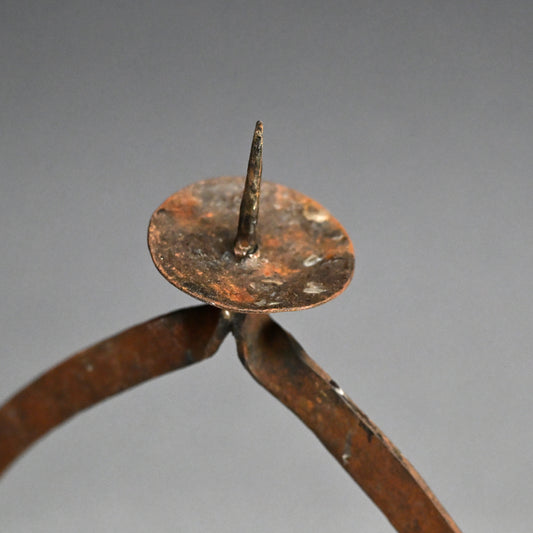
Antique Japanese Hand Forged Iron Votive Candle stand
Regular price ¥71,100 JPYRegular price -
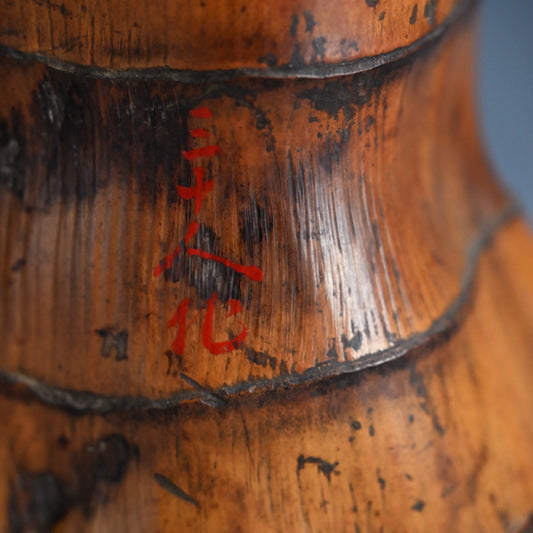
Edo p Japanese Bamboo Tea Room Vase, Shunko Dosai
Regular price ¥197,500 JPYRegular price -
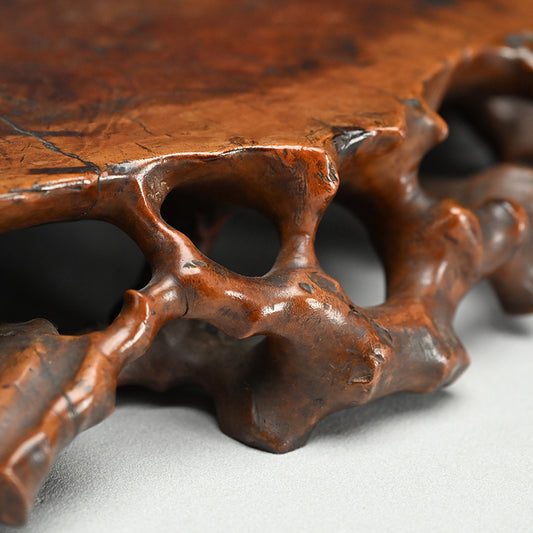
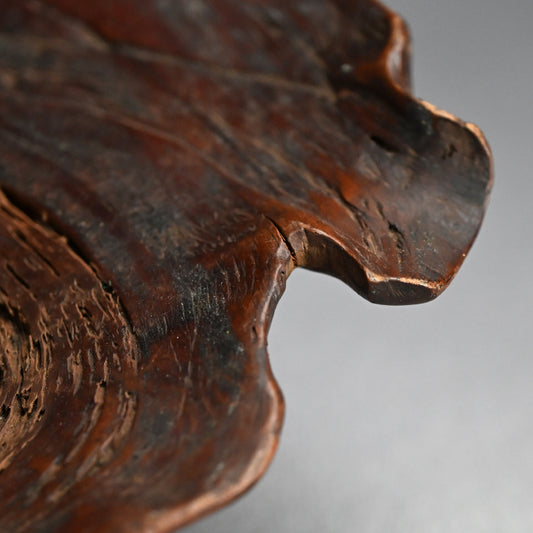
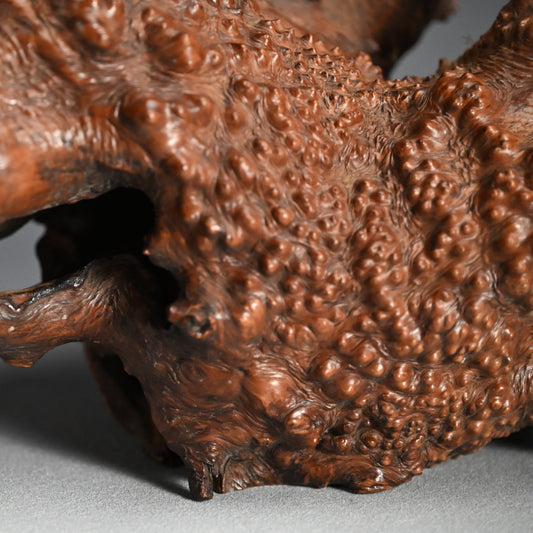
Fabulous Antique Burl-wood Leaf Plate
Regular price ¥110,600 JPYRegular price -
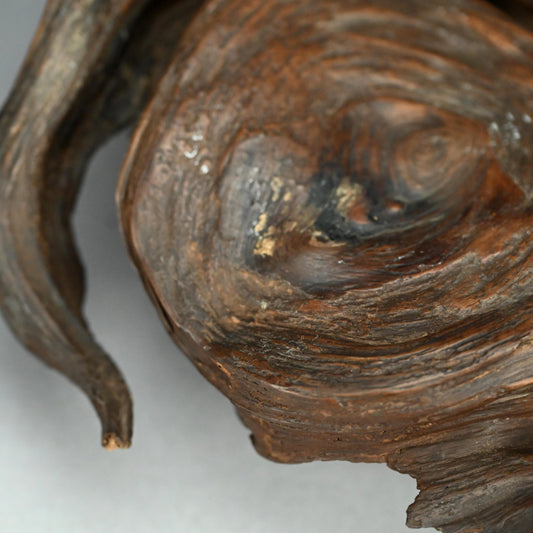
Antique Japanese polished Natural Root-Wood Stand
Regular price ¥62,500 JPYRegular price -
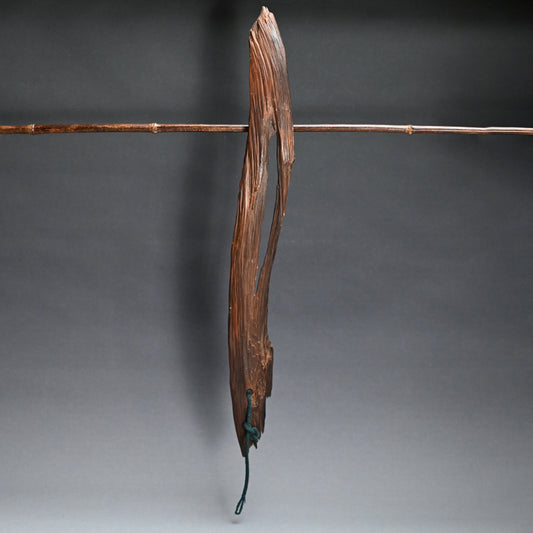
Natural Wood Tanzaku Kake Poem Card Hanger
Regular price ¥58,500 JPYRegular price -
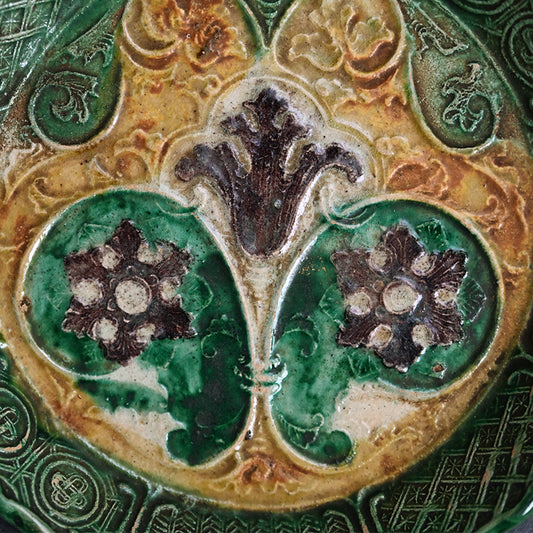
Edo period Gennai Yaki 10 plate set
Regular price ¥205,400 JPYRegular price -
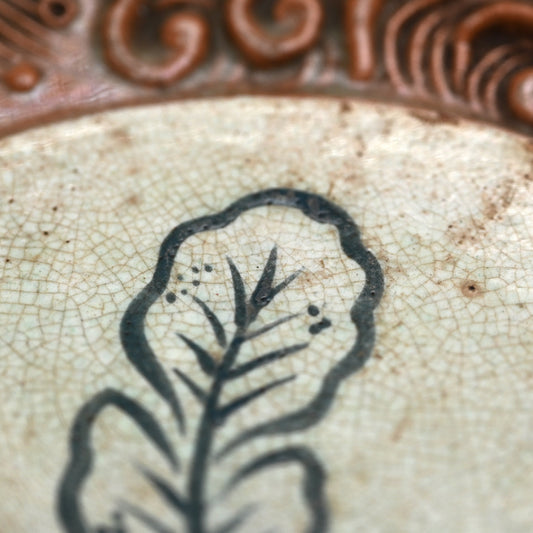
Unusual Gennai Yaki Basin, Waves and Basho Leaves
Regular price ¥150,100 JPYRegular price -
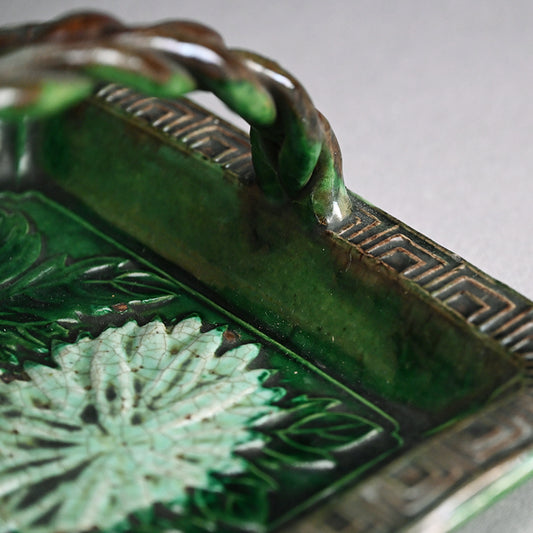
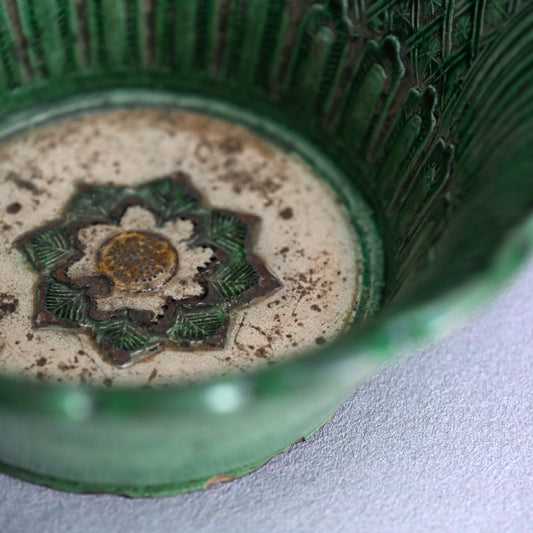
Antique Japanese Gennai Yaki Hexagonal Basin
Regular price ¥79,000 JPYRegular price -
Mid Edo period Gennai-yaki Plate
Regular price ¥102,700 JPYRegular price -
Antique Japanese Gennai Yaki Suiban Platter
Vendor:Hiraga GennaiRegular price ¥150,100 JPYRegular price -
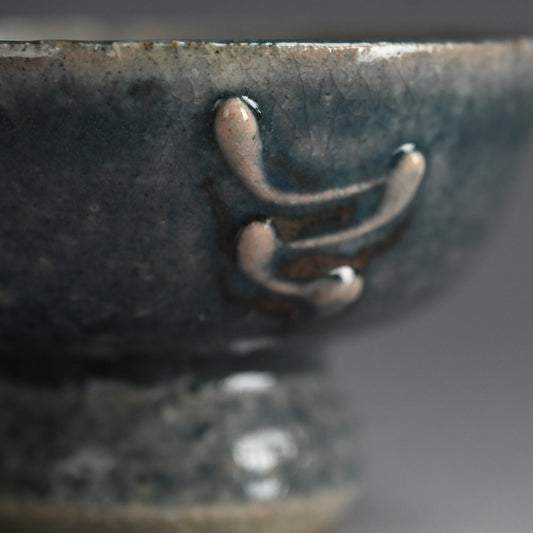
Antique Japanese Gennai Pottery Bowl
Regular price ¥102,700 JPYRegular price -
Antique Cloud Shaped Root-wood Scholars Stand
Regular price ¥102,700 JPYRegular price -
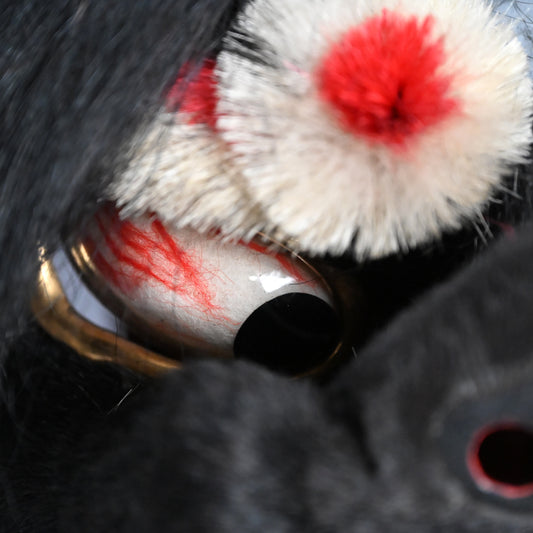
Antique Ainu Shishimai Bear Dance Mask
Regular price ¥221,200 JPYRegular price -
Edo period Japanese Kamado no Kami Mask
Regular price ¥252,800 JPYRegular price -
Ancient Lacquered Bamboo Tea Room Vase
Regular price ¥142,200 JPYRegular price -
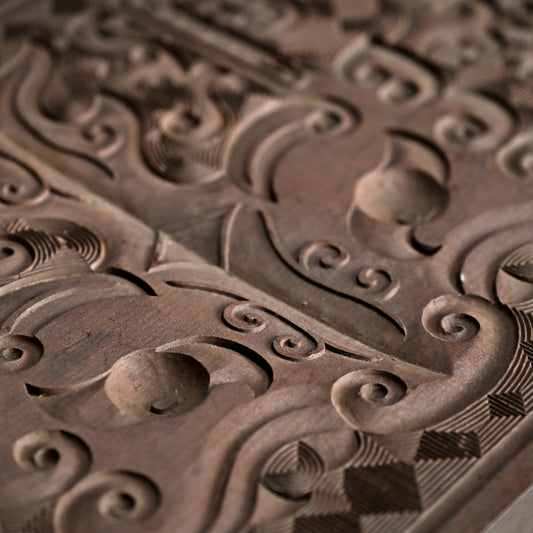
Ainu Carved Wood Display Table
Regular price ¥63,200 JPYRegular price -
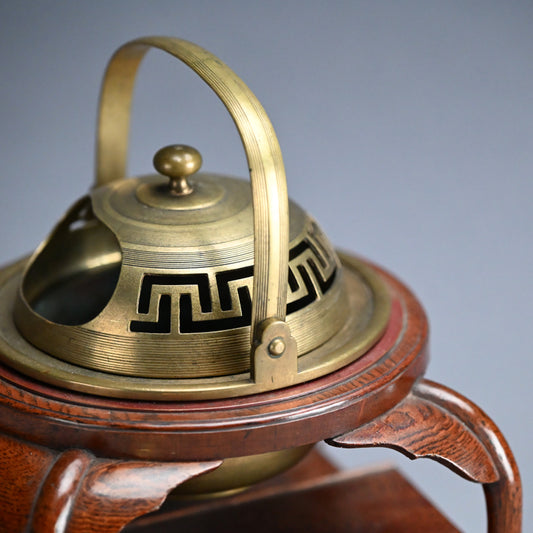
Elegant Antique Japanese Inlayed Wood Smoking Set
Regular price ¥126,400 JPYRegular price -
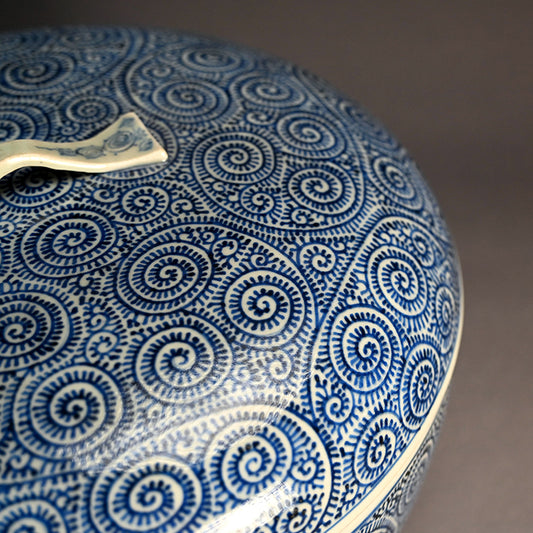
Huge Late 18th century Imari Tako-Karakusa Bottle Vase
Regular price ¥268,600 JPYRegular price -

 Sold outSold out
 -
Edo p. Akahadayaki Chawan ー奥田 木白 "赤膚焼 茶碗"
Vendor:Okuda MokuhakuRegular price ¥150,100 JPYRegular price -
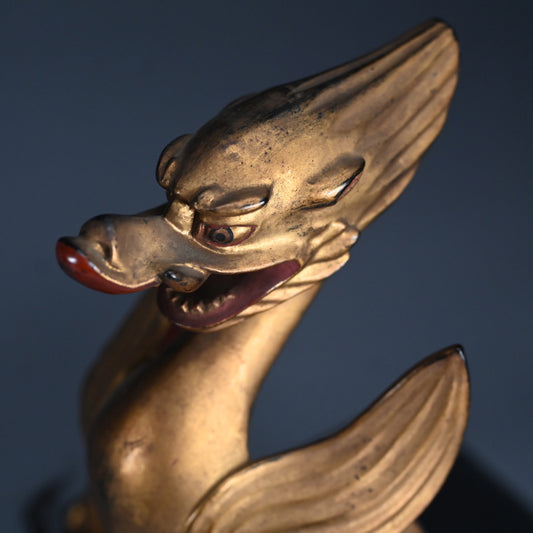
Ancient Bugaku Mask, Ryo-o (Rangryo) The Dragon King
Regular price ¥790,000 JPYRegular price