Collection: Religious Art
In Japanese history, religion is less a matter of doctrinal allegiance than a harmonious constellation of practices, each offering a lens on the sacred.
Shinto is Japan’s indigenous animistic religious tradition, centered on the veneration of kami—spirits or forces residing in natural phenomena, ancestral lines, mountains, rivers, and mythic deities. It emphasizes seasonal rites, and a harmonious relationship with nature. Shinto does not demand exclusive belief, allowing it to coexist fluidly with other traditions.
Introduced from the Korean peninsula in the 6th century, Buddhism became a defining force in Japanese art, statecraft, and intellectual life. For over a millennium, the distinction between Shinto and Buddhism was not firm. Temples housed Shinto deities; shrines enshrined Buddhist icons. Kami were interpreted as local manifestations (suijaku) of universal Buddhas (honji).
Though not institutionalized in Japan as formal religions, Daoism and Confucianism strongly influenced Japanese thought, government, and aesthetics. Daoism contributed deities, Immortal sages, cranes, and turtles as symbols of long life, The cosmological animals, The Five Elements (wood, fire, earth, metal, water) and Yin–Yang cosmology. Daoist motifs permeate esoteric Buddhist art (particularly Shingon) and literati painting (sennin figures, hermit sages, mountain ascetics).
Confucianism shaped: bushido, the samurai code and its ethics of loyalty, hierarchy, filial piety, and was the basis of the Tokugawa administrative and educational systems. Confucian symbols—such as plum blossoms, bamboo, and pine (the “Three Friends of Winter”)—became common themes in decorative arts.
Japanese religious sculpture is among the most refined in the world. Due to this confluence of thought, traditional religious furnishings in Japan span both Shinto and Buddhist spheres, often with shared forms and borrowed iconography from Daoism and Confucianism.

-
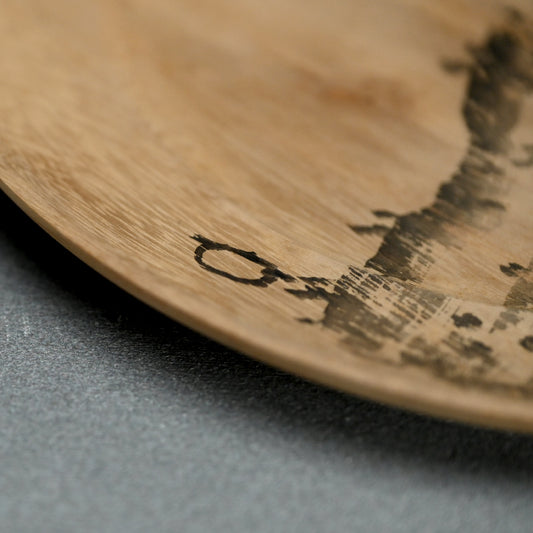
Wood Tray Decorated by Zen Priest ー円山 伝衣
Vendor:Maruyama DenneSold out -
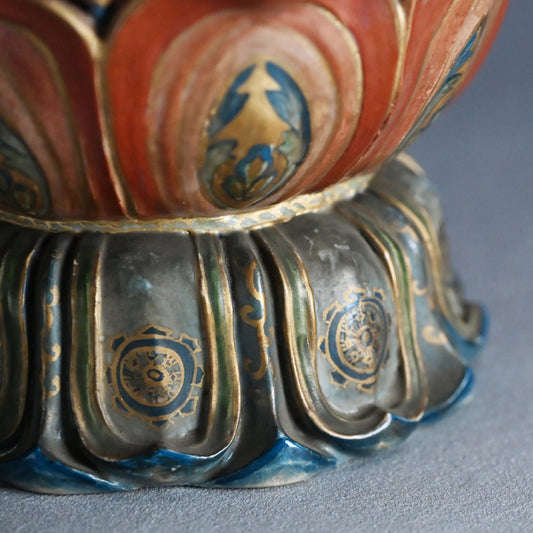
Beautiful Antique Japanese Lotus Pedestal Koro Incense Burner
Regular price ¥78,300 JPYRegular price -
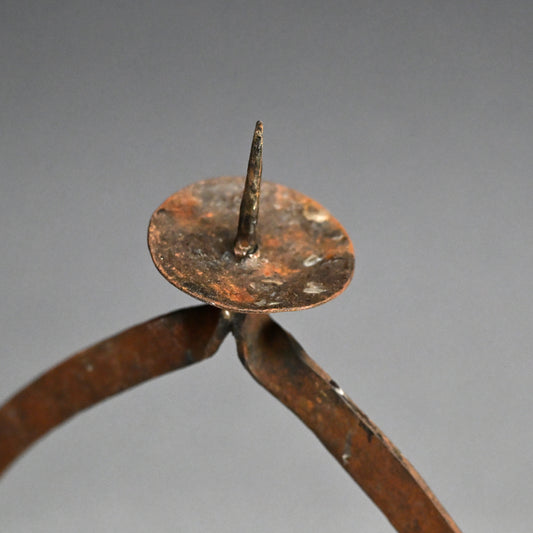
Antique Japanese Hand Forged Iron Votive Candle stand
Regular price ¥71,100 JPYRegular price -
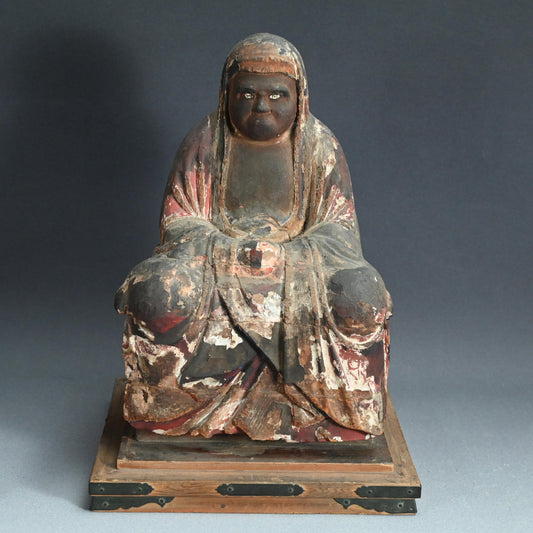
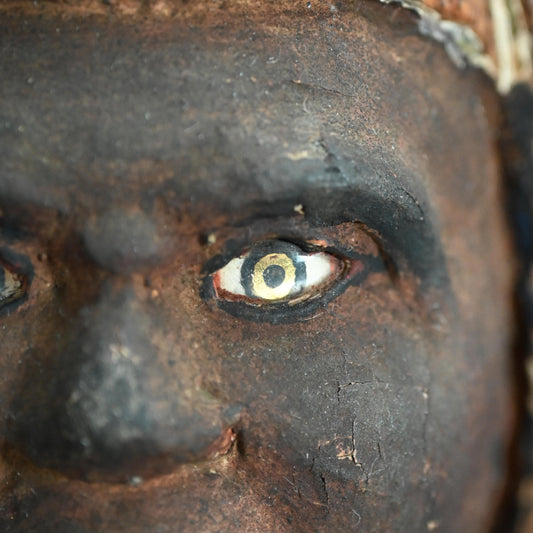
Bishamonten Buddhist Sculpture
Regular price ¥379,200 JPYRegular price -
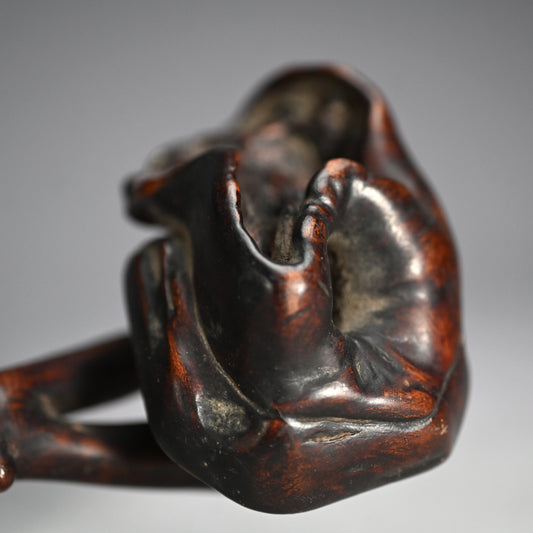
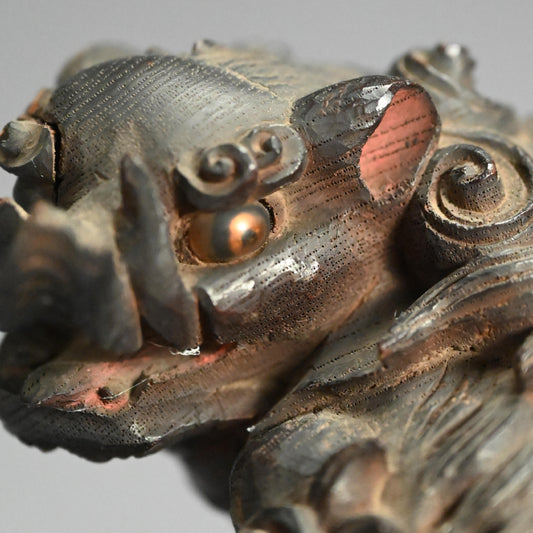
Unusual Antique Japanese Carved Wood Baku (Dream Eater)
Regular price ¥118,500 JPYRegular price -
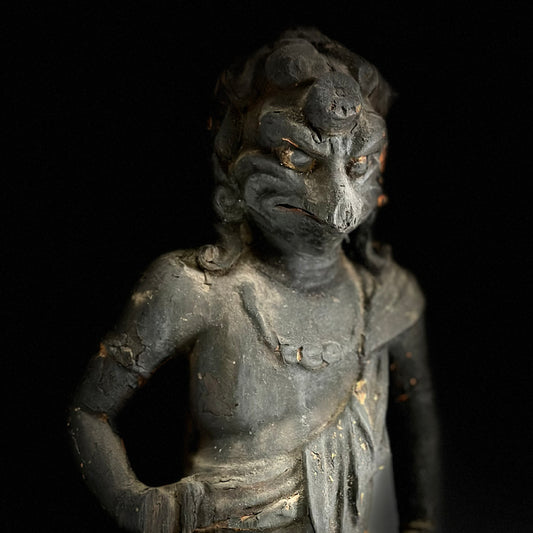
Edo p. Japanese Wood Carving, Karasu Tengu God of War
Regular price ¥347,600 JPYRegular price -
Refined Edo p. Buddhist Carving, Seitakadoji
Regular price ¥790,000 JPYRegular price -
Antique Japanese Tea Pot by Buddhist Nun ー大田垣 蓮月
Vendor:Otagaki RengetsuSold out -
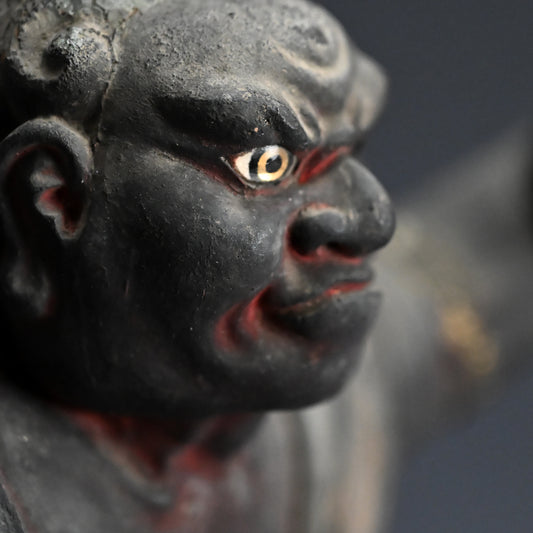
Basara Okimono Buddhist Sculpture ー市川 鉄琅 "伐折羅 大将像"
Vendor:Ichikawa TetsuroRegular price Price on requestRegular price -
Rare Buddhist Image of the Martial God Shogun Jizo
Regular price ¥948,000 JPYRegular price -
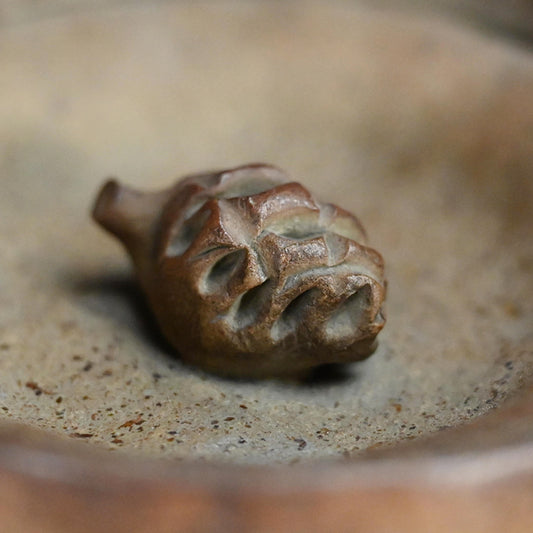
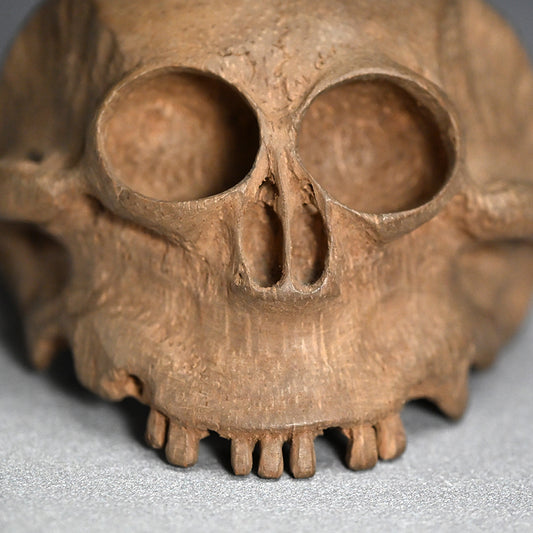
Antique Japanese Chikkon Carved Bamboo-Root Skull
Regular price ¥442,400 JPYRegular price -
Ancient Bugaku Mask, Ryo-o (Rangryo) The Dragon King
Regular price ¥790,000 JPYRegular price -
Set 5 Antique Japanese Negoro Lacquer Bowls
Regular price ¥102,700 JPYRegular price -
Auspicious Bats by Buddhist Nun ー大石 順教
Vendor:Oishi JunkyoSold out -
Important Buddhist Nun Calligraphy Scroll ー大石 順教 “いろは”
Vendor:Oishi JunkyoSold out -
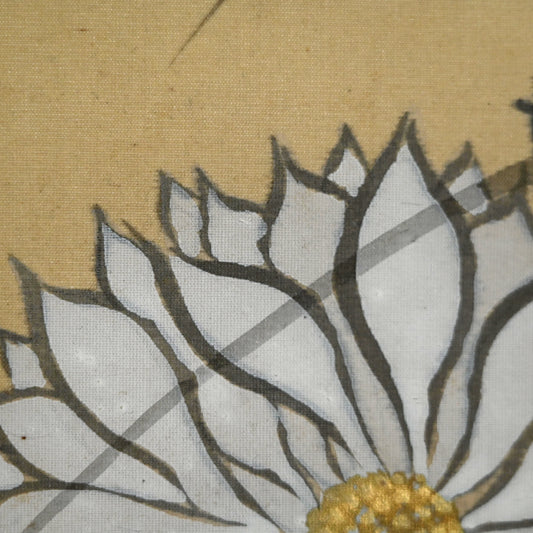
Chrysanthemum Painting by Buddhist Nun ー大石 順教 半折 “菊花”
Vendor:Oishi JunkyoSold out -
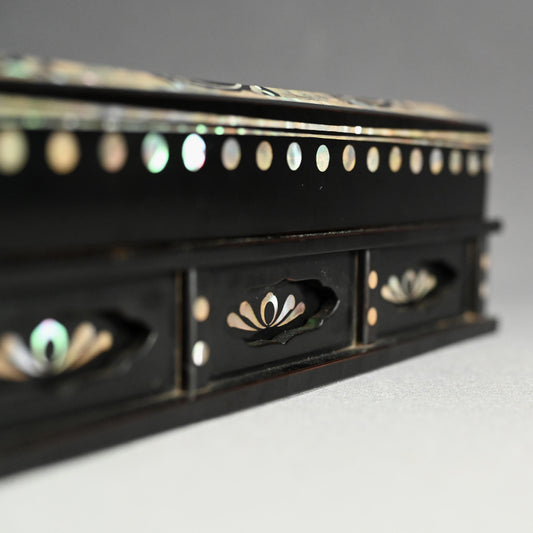
Incredible Mother of Pearl Inlay Suzuri Bako Lacquer Writing Box
Regular price ¥458,200 JPYRegular price -
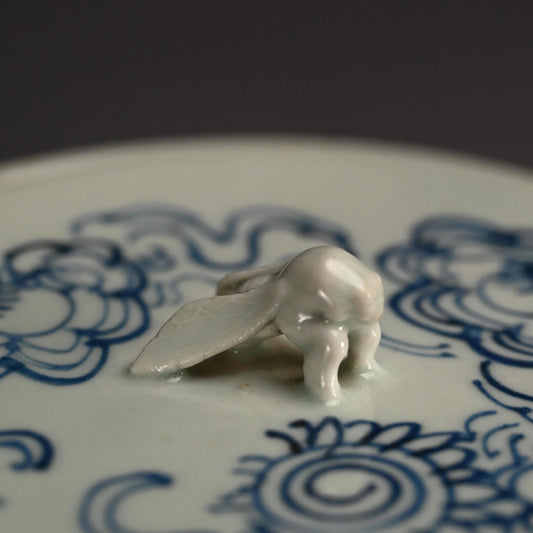
Edo p. Japanese Mizusashi, 1851 ー大綱 宗彦, 喜祐 "雲堂水指"
Vendor:Taiko SogenSold out -
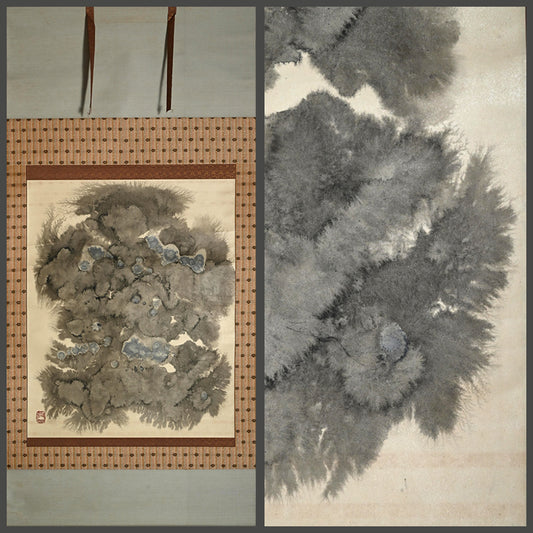
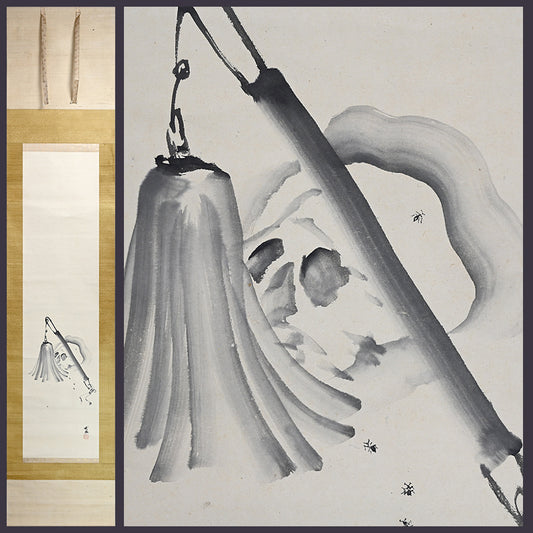
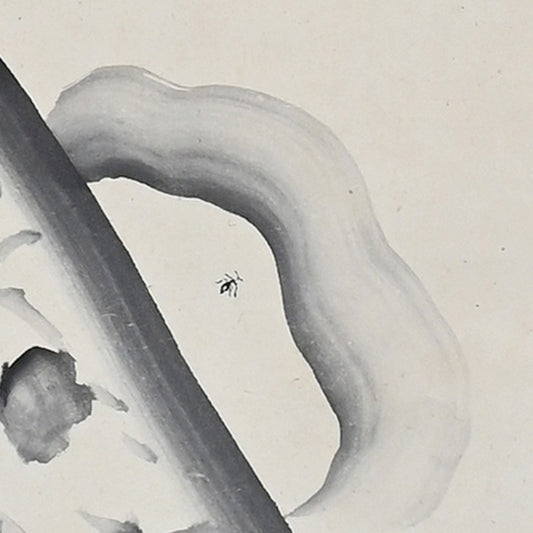
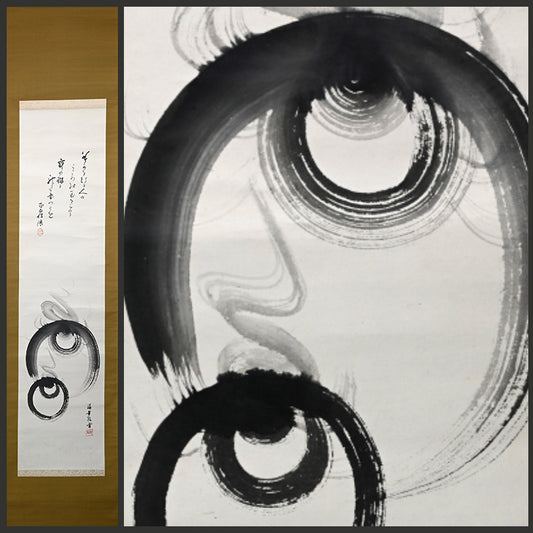
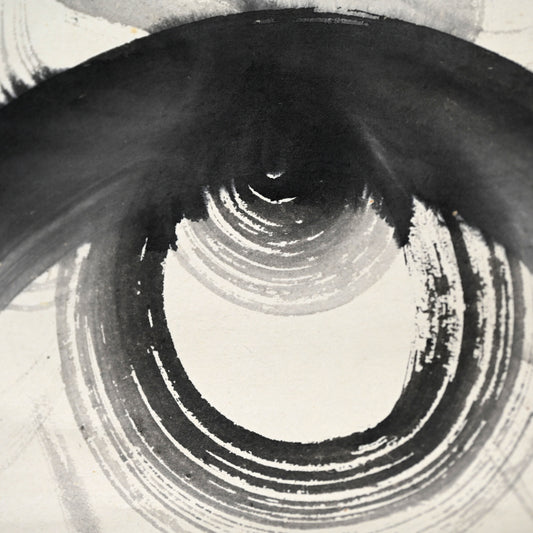
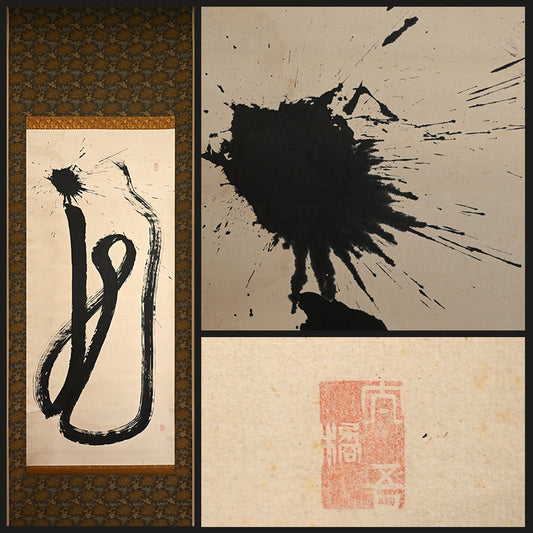
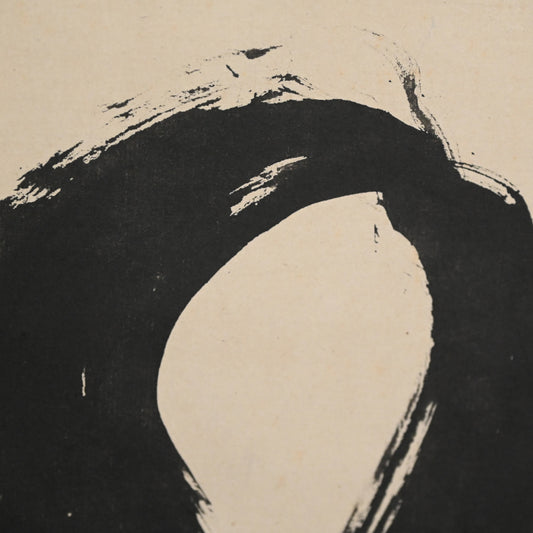
Mid-century Abstract Sumie Scroll ー大林 天洞
Vendor:Obayashi TendoSold out -
Meiji p. Zen Skull Painting ー尾竹 竹坡
Vendor:Otake ChikuhaRegular price ¥71,100 JPYRegular price -
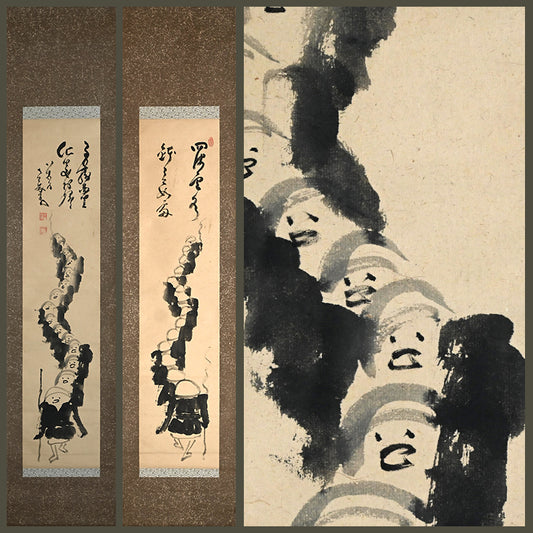
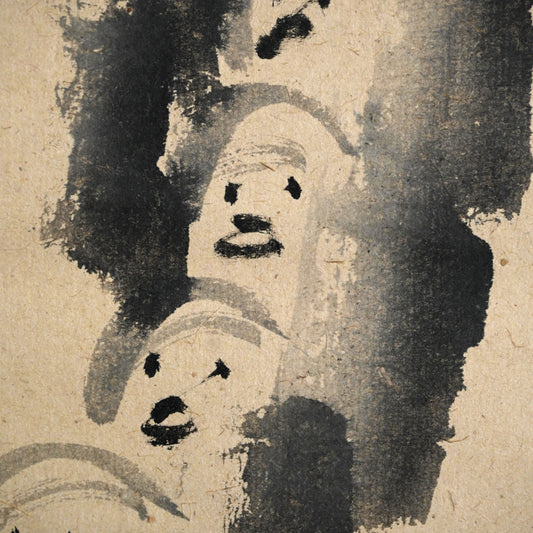 Sold out
Gathering Alms by Zen Priest ー中原 南天棒
Vendor:Nakahara NantenboSold out -
Buddhist Image of a Burning Jewel ー小西 福年 "瑞宝圖"
Vendor:Konishi FukunenSold out -
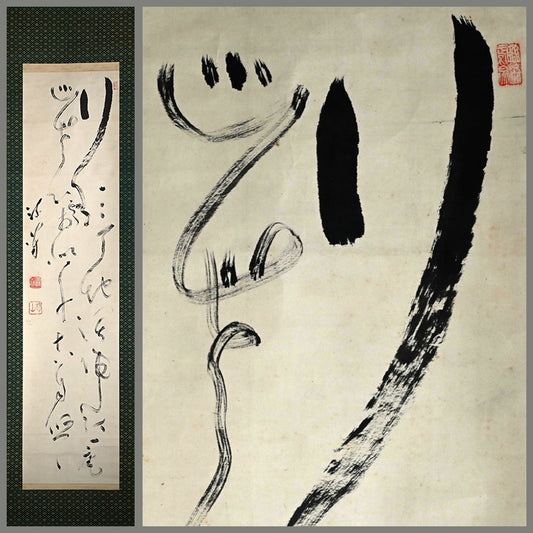
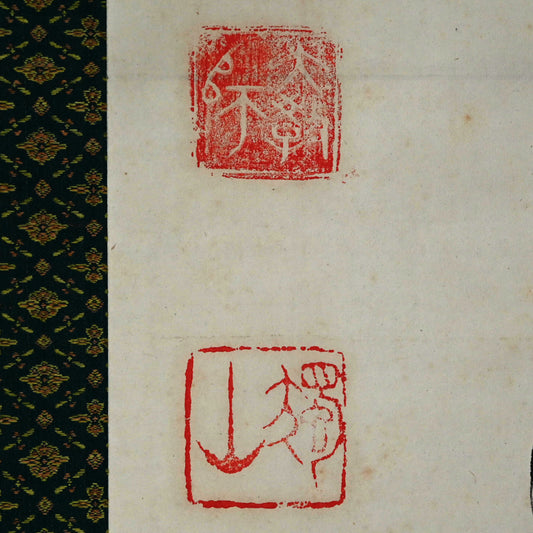
Calligraphy by Zen Priest, Antique Japanese Scroll ー橋本 独山 "二行書"
Vendor:Hashimoto DokuzanSold out -
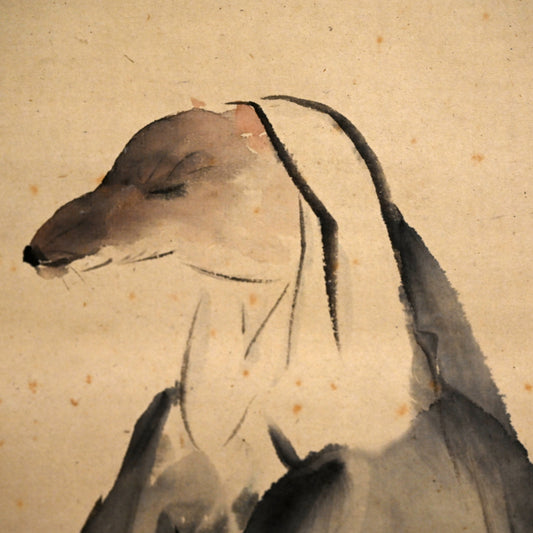
Hakuzosu Fox in Priest Robes ー大田垣 蓮月 "白蔵主"
Vendor:Otagaki RengetsuSold out -
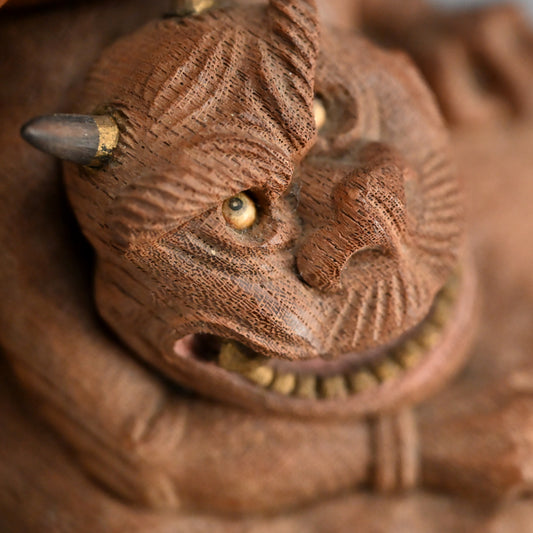
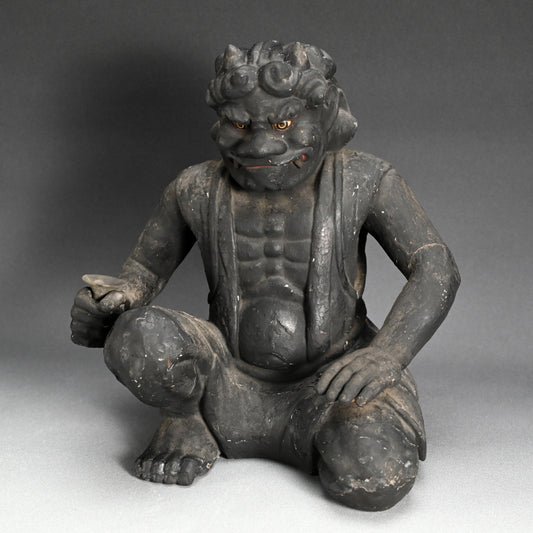
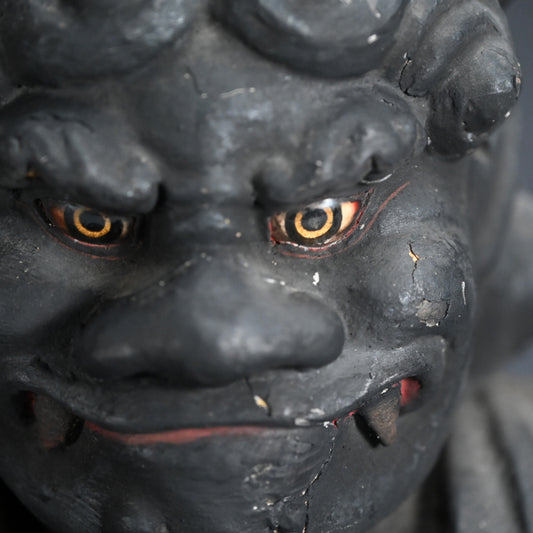
Goki, The Demon Attendant of En-no-Gyoja
Regular price ¥790,000 JPYRegular price -
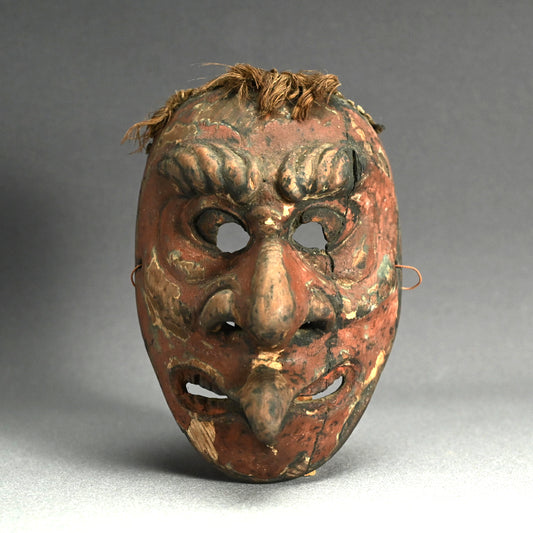
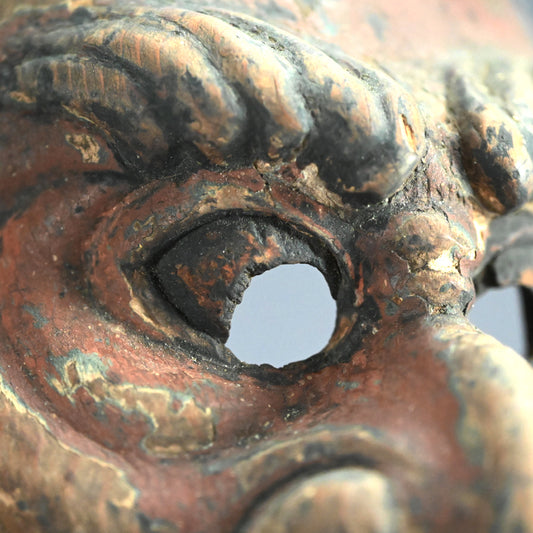
Ancient Wooden Tengu Mask, Kamakura to Muromachi period
Regular price ¥790,000 JPYRegular price -
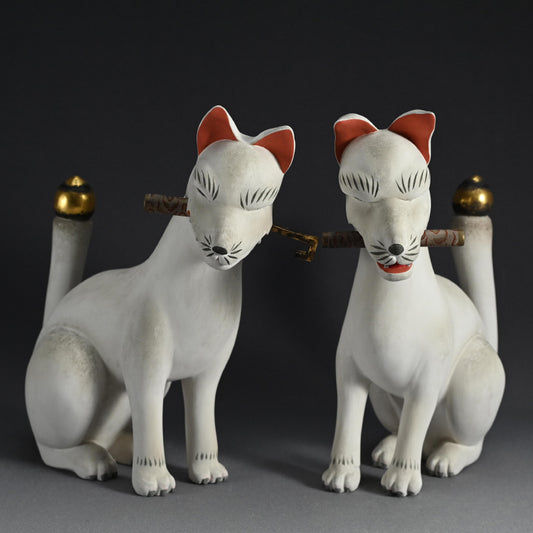
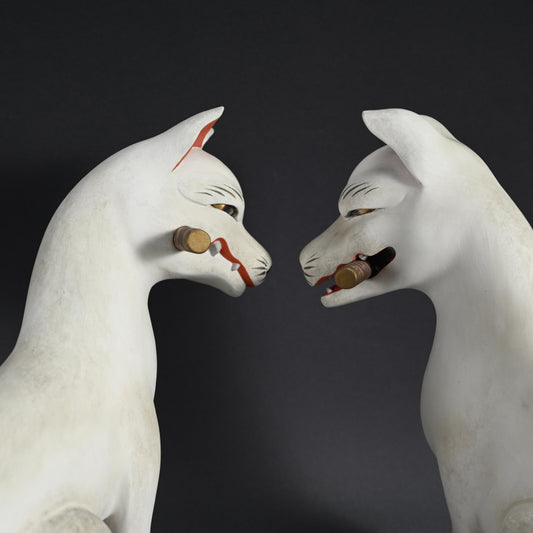
Pair of Edo period Inari Kitsune Fox Guardians
Regular price ¥916,400 JPYRegular price -
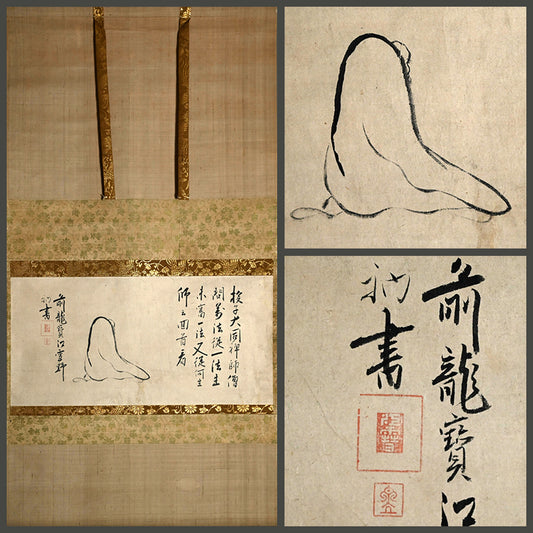
17th century Zenga Daruma Image by Priest ー江雪 宗立 “ダルマ”
Vendor:Kosetsu SoryuSold out -
Edo p. Dragon Image by Priest ー如蓮 和尚 (大寅 和尚)
Vendor:Nyoren OshoSold out -
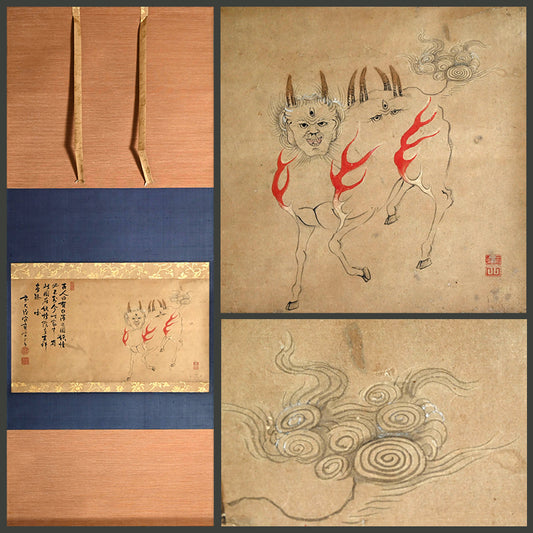
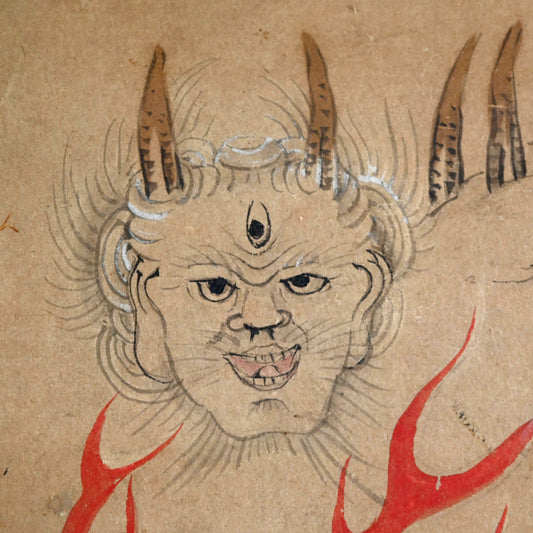
Edo p. Talismanic Scroll, Hakutaku by Zen Priest ー宙宝 宗宇 “白沢"
Vendor:Sou ChuhoRegular price ¥395,000 JPYRegular price -
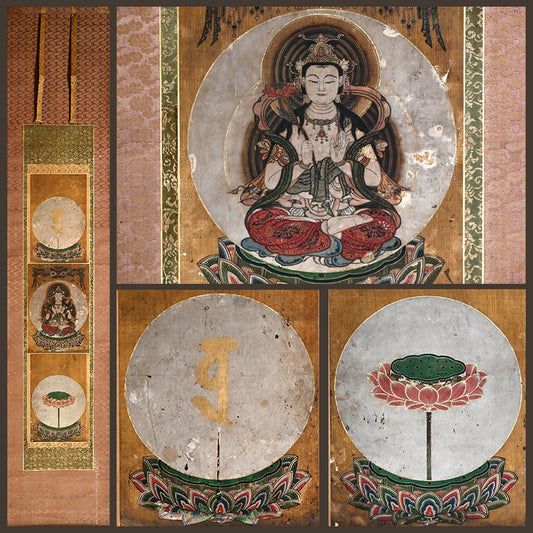
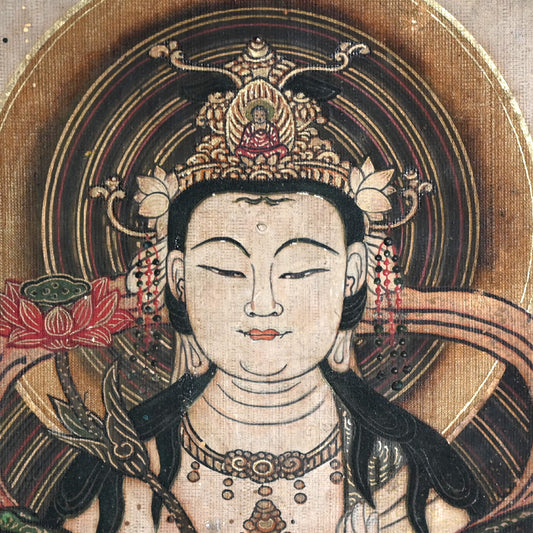
Exquisite Vertical Kannon Triad
Regular price ¥474,000 JPYRegular price