Collection: Samurai
The samurai, originally meaning “those who serve,” emerged in the late Heian period (794–1185) as provincial warrior bands employed by aristocratic landholders. By the Kamakura period “samurai” had ceased to describe simply hired swords; it denoted a hereditary warrior elite defined by martial skill, loyalty to a lord, and an emerging ethical and cultural identity. Although the historical samurai were not always paragons of virtue, the concept of Bushido— “the way of the warrior”—gradually emerged from Neo-Confucian ethics, Zen Buddhism, and medieval martial values. Honor, loyalty, frugality, and self-discipline became idealized characteristics, further elaborated in Edo-period teachings. Samurai became key patrons of arts and cultivated a literate, bureaucratic identity that helped shape early modern Japanese governance.
Kamon are hereditary family crests that developed alongside the samurai class. A family’s kamon was a visual expression of lineage, loyalty, and prestige. Initially armor, banners, and sashimono (back flags) displayed crests to distinguish allies from enemies amid the chaos of war. Later crests adorned kimono, lacquerware, armor, swords, and funeral equipment. By the Edo period, commoners—especially merchants and artisans—also adopted crests for branding, guild identity, and festival use.
The Meiji Restoration (1868), which restored imperial rule and sought rapid modernization, ended the samurai’s privileged position. Economic hardship and loss of status led to uprisings such as the Satsuma Rebellion (1877) led by Saigō Takamori, often seen as the final expression of samurai resistance to modernization. By the 1880s, the samurai class as a distinct social group had disappeared, though their cultural legacy persisted in military ideology, literature, and popular imagination.

-
Myochin Style Uchidashi Hand Forged Iron Sagemono Case
Regular price ¥284,400 JPYRegular price -
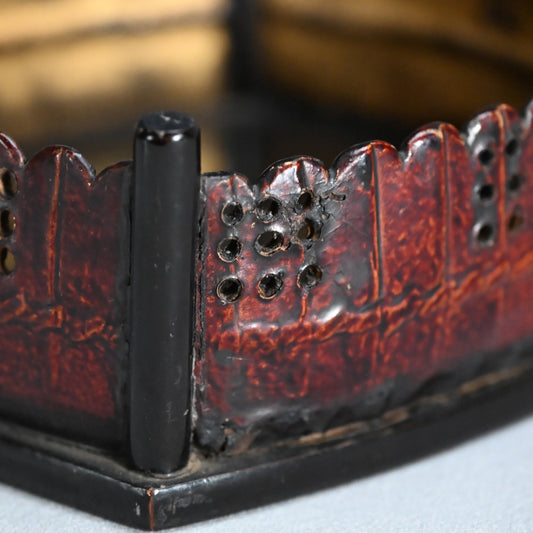
Tea Tray made from Re-purposed Yoroi Armor-parts
Regular price ¥126,400 JPYRegular price -

 Sold out
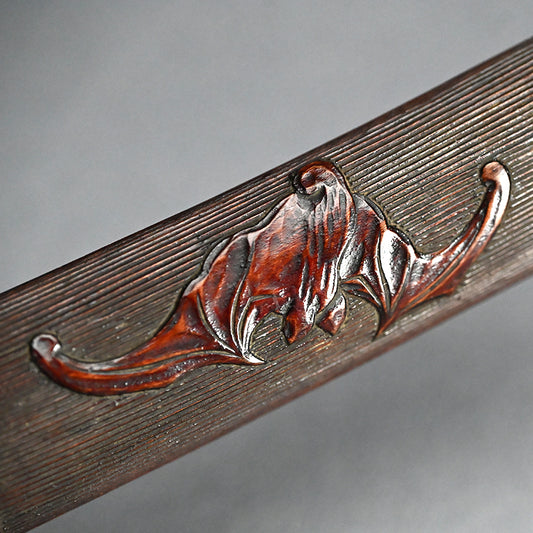
Chato Wooden Doctor’s Sword ー玉楮 象谷
Vendor:Tamakaji ZokokuSold out -
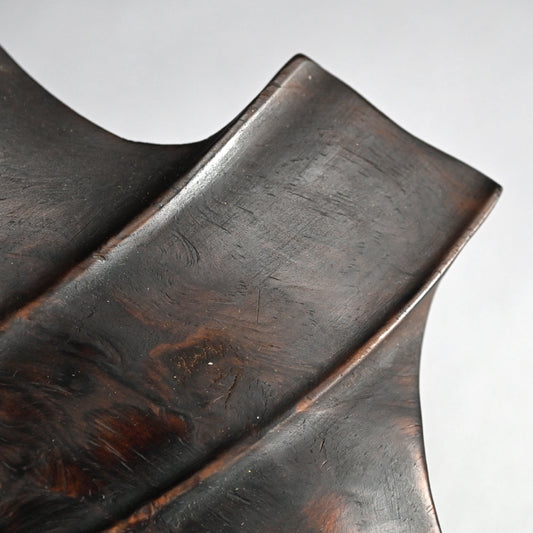
Carved Wood Leaf Tray from Himeji Castle Pine Trees
Regular price ¥237,000 JPYRegular price -
Smoking Set Made of Re-purposed Samuirai Armor
Regular price ¥237,000 JPYRegular price -
Edo p. Japanese Bronze Koro Incense Burner, Samurai Armor
Regular price ¥395,000 JPYRegular price -
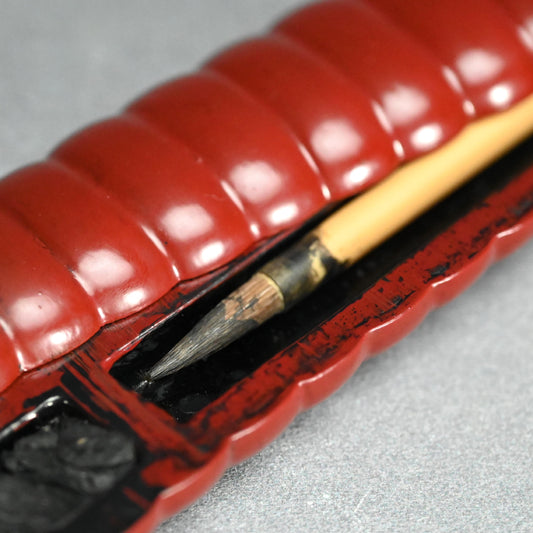
Antique Japanese Sword Shaped Brush Case
Regular price ¥284,400 JPYRegular price -
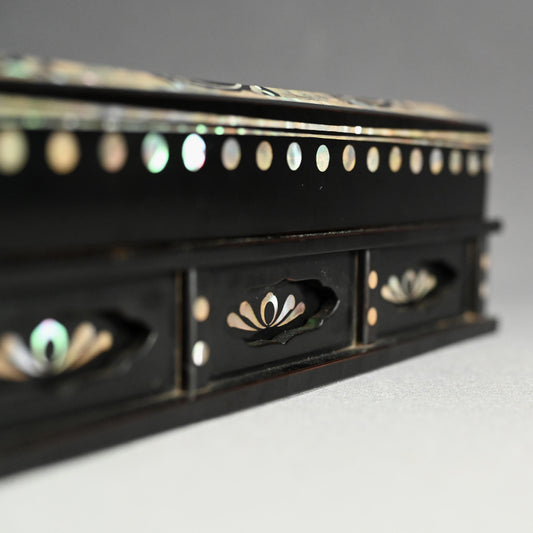
Incredible Mother of Pearl Inlay Suzuri Bako Lacquer Writing Box
Regular price ¥458,200 JPYRegular price -
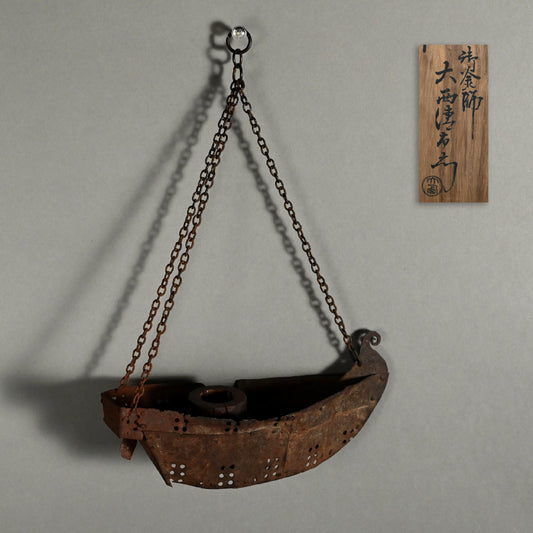
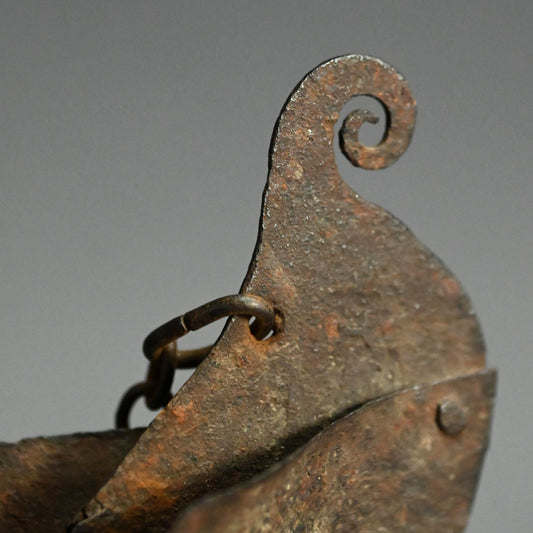
Iron Hanging Vase made of Yoroi (Samurai Armor) Parts
Regular price ¥568,800 JPYRegular price -
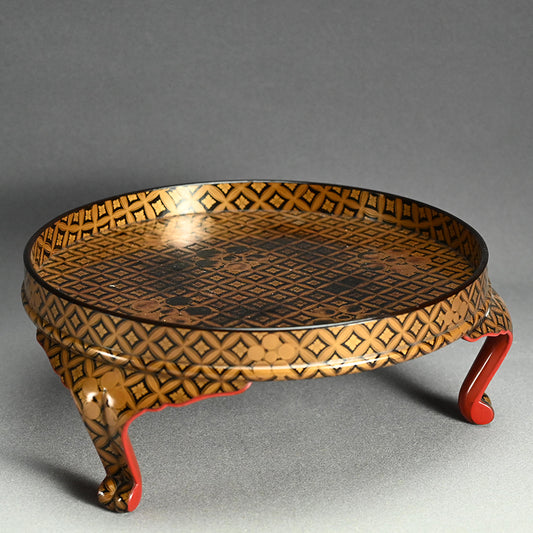
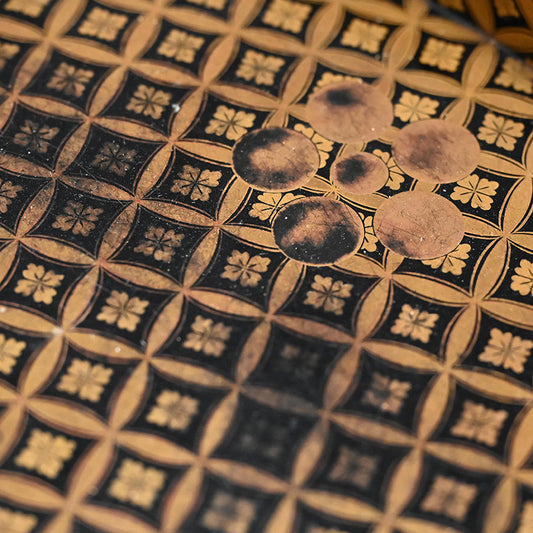
17th c. Tri-legged Antique Japanese Lacquer Tray with Gold Design ー時代蒔絵香盆
Regular price ¥142,200 JPYRegular price -
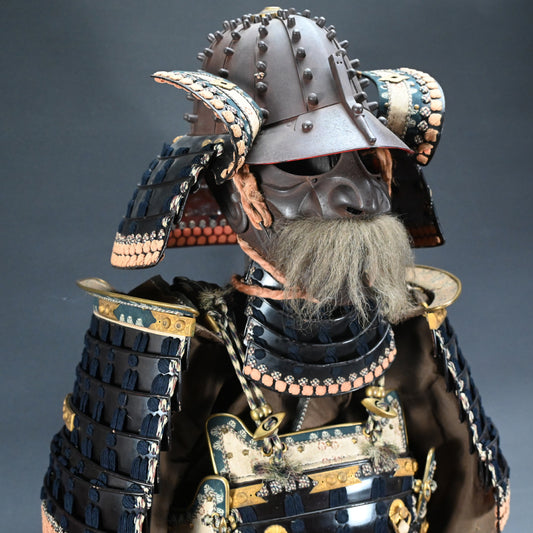
Edo period Signed Japanese Samurai Yoroi Armor
Regular price ¥5,530,000 JPYRegular price -
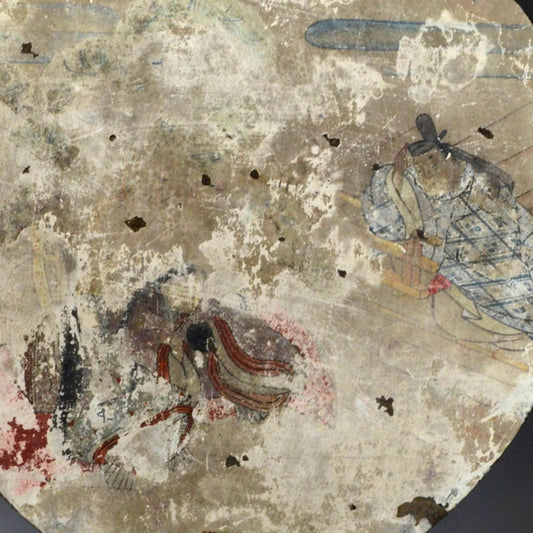
Very Rare Antique Japanese Edo period Sashiba Royal Fan
Regular price ¥237,000 JPYRegular price