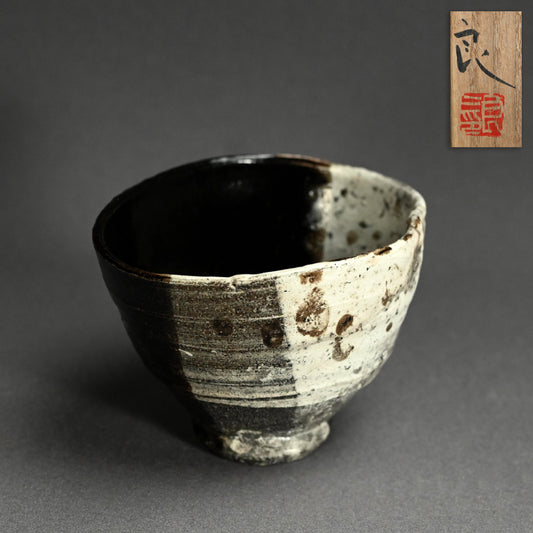
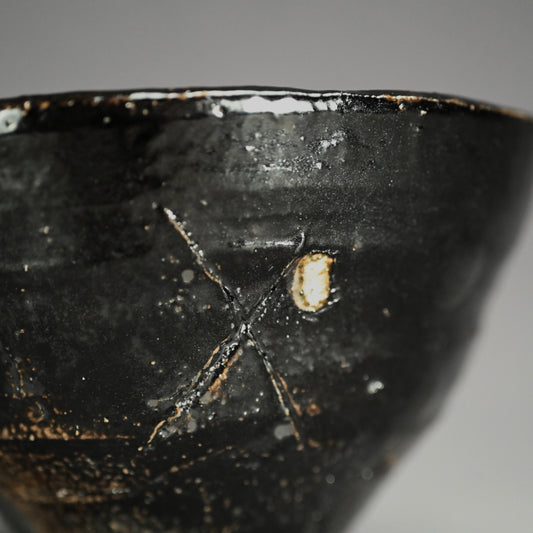
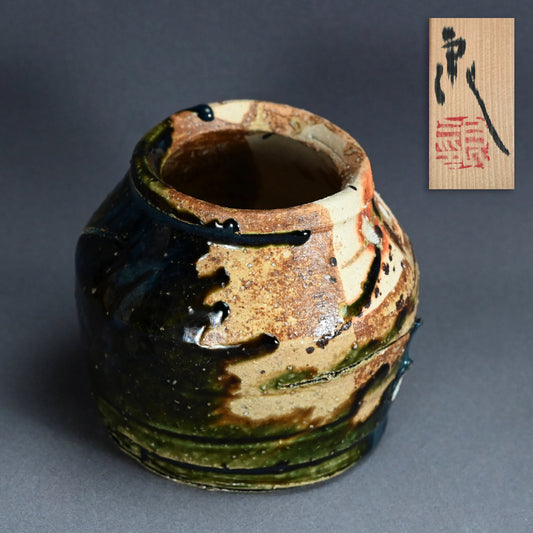
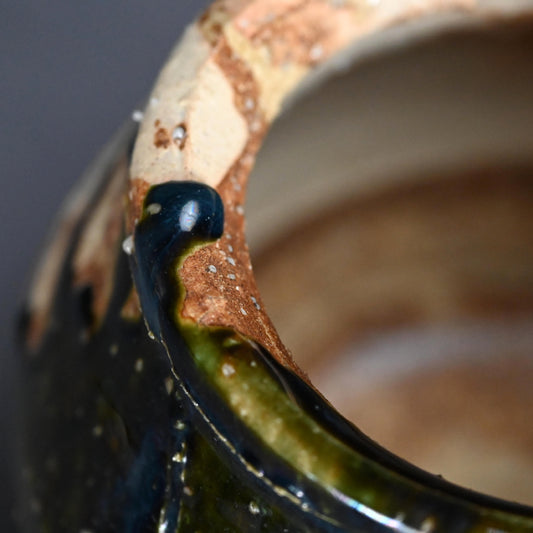
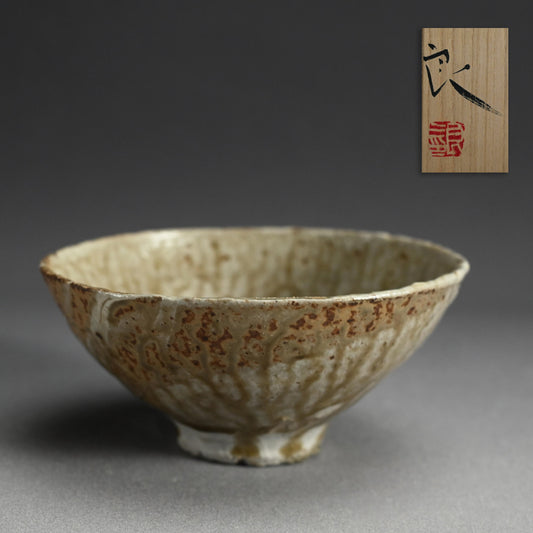
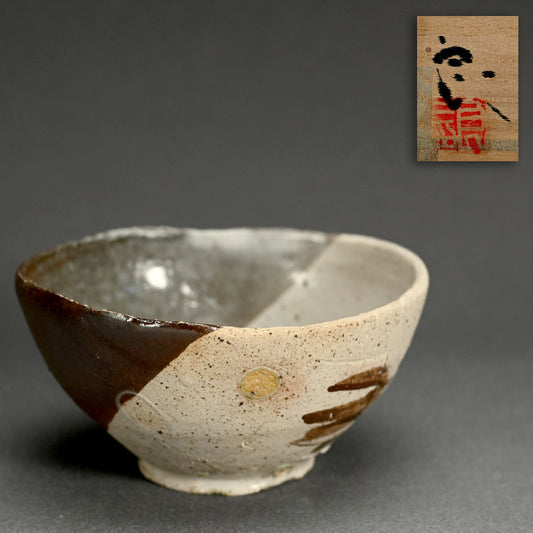
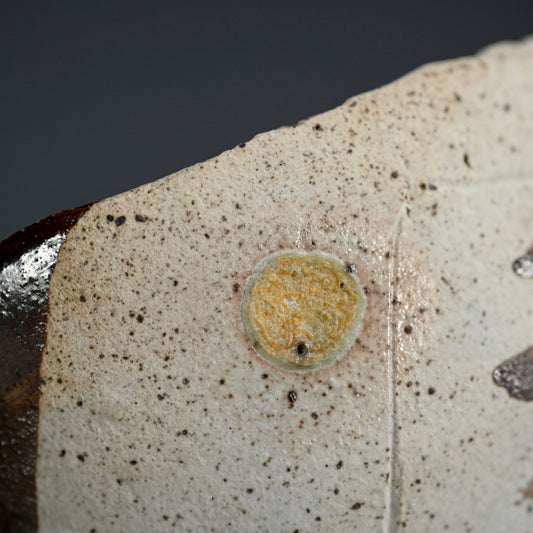
Koie Ryōji (1938–2020) was born in Tokoname, Aichi Prefecture, one of Japan’s most important ceramic centers. He graduated from the Tokoname Industrial School and in 1957 began working at a tile factory, where he lost two fingers in a serious industrial accident. Rather than ending his career, this experience became a turning point. In 1962 he entered the Tokoname City Ceramic Research Facility, where he deepened his technical knowledge and began to develop the radical, experimental approach that would define his work.
Koie established his own studio in 1966, and by the early 1970s his work was attracting significant international attention. Rejecting conventional boundaries between vessel and sculpture, utility and concept, he became known for his bold surfaces, unconventional forms, and performative engagement with clay, positioning himself as a central figure in postwar avant-garde ceramics. His practice consistently challenged established norms within Japanese pottery while maintaining a deep dialogue with material, process, and place.
Over the course of his career, Koie received numerous awards, culminating in the Japan Ceramic Society Gold Award in 2008, the highest honor in the field. His works are held in major public collections worldwide, including the National Museum of Modern Art (Tokyo and Kyoto), Yamaguchi Prefectural Museum of Art, Hiroshima City Museum of Contemporary Art, Idemitsu Museum of Arts, the Museum of Fine Arts Gifu, the Victoria and Albert Museum (London), the Seoul Museum of Art, and the National Gallery of Victoria (Australia), among many other public and private collections.



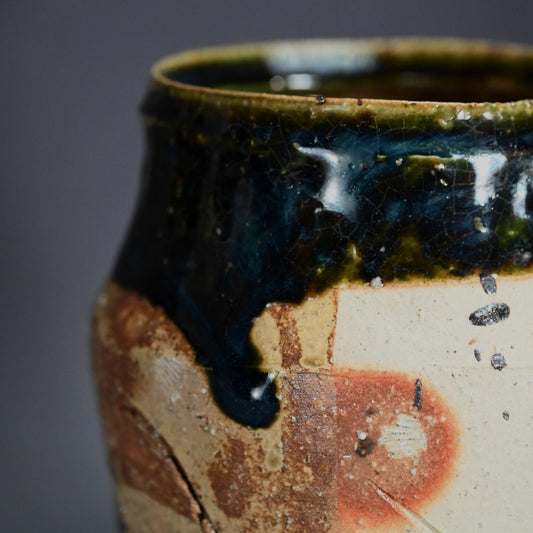 Sold out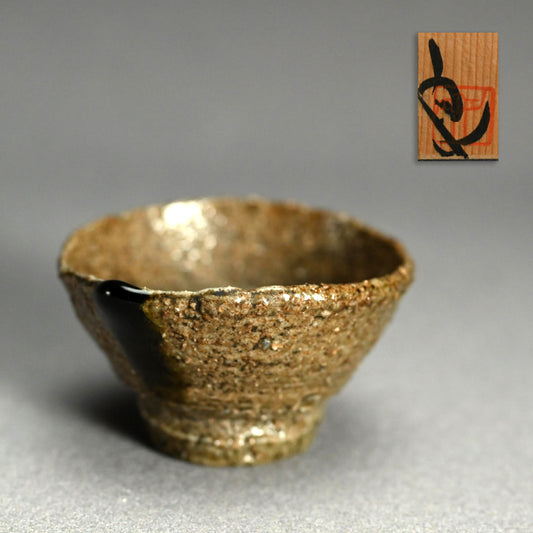
 Sold out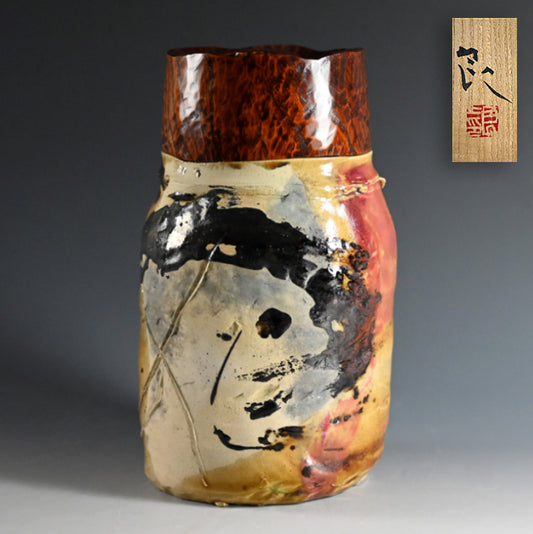
 Sold out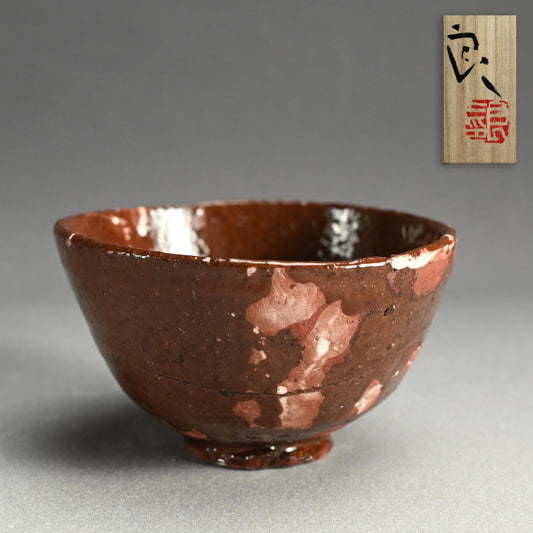
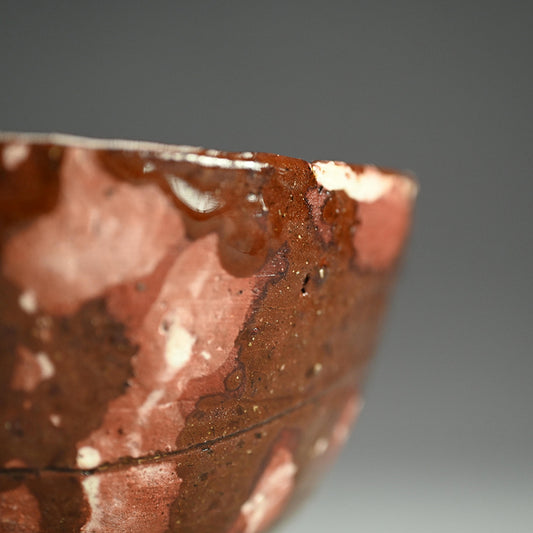 Sold out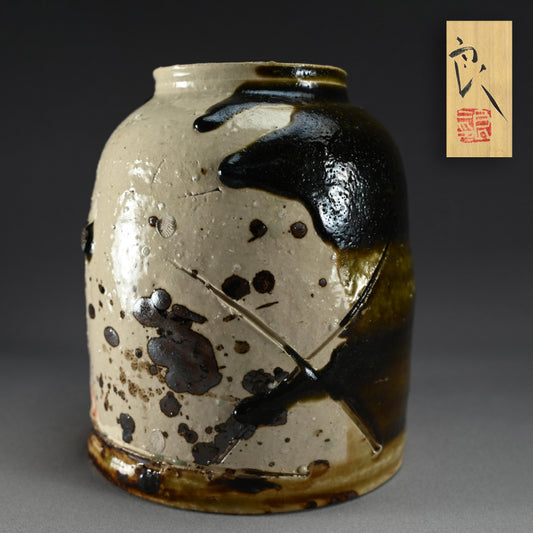
 Sold out